![What is currently driving the additive market? [69th Edition of the ADDITIVES Newsletter]](https://foodcom.pl/wp-content/uploads/2023/08/Foodcom_SA_Newsletter_Additives-1520x760.jpg "What is currently driving the additive market? [69th Edition of the ADDITIVES Newsletter]")
- The creatine market is growing rapidly outside the sports segment, with record growth in Asia and India.
- ATO is seeing sharp price increases due to restrictions on the production and export of antimony ore from China.
- Demand for MSM is growing globally, and supply problems from China are driving up prices and prompting companies to secure supplies.
- Prices of sorbic acid, gelatin and bioethanol are also rising, affecting costs in the food and chemical industries.
The global markets for creatine, ATO, MSM and key additives are under pressure. Demand for creatine is growing rapidly beyond the sports sector. MSM prices continue to rise and disruptions in ATO supplies are driving up costs in the ceramics and plastics industries. At the same time, sorbic acid and gelatine prices are rebounding and the UK bioethanol industry is at a crossroads. More details inside!
Creatine
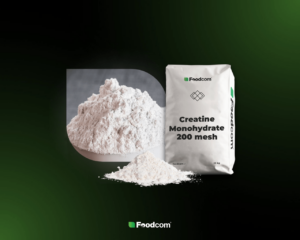
The market for creatine in 2025 is growing rapidly and clearly extends beyond the sports segment. The supplement is gaining popularity among new audiences – especially women, seniors and those concerned with metabolic health and cognitive function. The fastest growing region is Asia-Pacific with the market projected to grow to USD 1.92 billion by 2030 (CAGR 27.5%), with India recording a record growth rate (CAGR 32.4%). North America accounts for approximately 39.4% of global revenues, with the US market forecast to grow to USD 173.5 million as early as 2025. In Europe, the trend towards premium and organic products is dominant, with growing popularity among seniors and women. Online sales already account for more than 37% of the global market and are growing further, driven by the trend towards personalisation and DTC subscriptions. Innovative forms of creatine are important: micronised, buffered, HCl and multi-ingredient formulas with adaptogens, vitamins and collagen. Challenges include the rising cost of raw materials, mainly sarcosine, and tightening regulations in the US and Europe. The global creatine market is expected to exceed USD 2.7-3.0 billion by the end of 2025 and reach up to USD 4.21 billion by 2030.
ATO (Antimony Trioxide)
is a key raw material for the ceramics and glazing industry – although also used in plastics and fireproof materials – where it generates the highest demand today. The steep price increase of several times (from ~€17-18/kg to €50-60/kg in a few months) is due to a prolonged shutdown of one of the largest producers, which has strongly reduced ATO availability and forced customers to secure supplies in advance or look for substitutes. The situation is exacerbated by declines in antimony ore imports from, for example, China (-45% month-on-month in May 2025), export restrictions from China and significant increases in market prices (up to approximately $60,000/t), affecting costs in the ceramics, plastics, battery cells and defence sectors . In addition, ATO formulation manufacturers are forcing up the price of refractory resins, and the industry must look for alternatives – halogen-free substitutes or new sources in Central Asia – and review the impact on its own production costs.
Organic sulphur
Methylsulfonylmethane (MSM), or organic sulphur, is one of the fastest growing raw materials in the health and beauty industry in 2025. The market for MSM supplements has now reached approximately USD 500 million and is growing at an annual rate of approximately 6.5 per cent. In the powder market, the value of products is approximately USD 1.2 billion with a projected growth to USD 2.3 billion by 2032 (CAGR ~7-8%). Major sources of supply – particularly China, accounting for more than 60% of production – are facing constraints and price increases, leading suppliers to recommend securing supplies in advance. The largest demand is generated in North America and Europe, while the Asia-Pacific region is growing fastest, thanks to the growth of e-commerce and segments such as nutricosmetics, women’s supplements and veterinary products. MSM is valued for its anti-inflammatory effects and support for joints, skin and hair, and premium pharma/food grade forms with a transparent supply chain are becoming increasingly important. The powder form continues to dominate the online and pharmacy market.
What else?
June 2025 sorbic acid prices have increased in many countries, including the US. The main reason is production restrictions in China due to tighter industrial emissions regulations. Rising costs of raw materials such as crotonaldehyde and ketene, more expensive shipping and currency fluctuations have also contributed to the price increase. Continued high demand from the food, pharmaceutical and cosmetics industries is prompting importers to accelerate purchases for fear of further increases. All indications are that the price pressure on the sorbic acid market will also continue in July.
After a price drop in May, gelatine in Germany started to increase in price again in June 2025. The earlier decline was due to increased product availability and limited demand, but the situation is beginning to stabilise. A key factor in the rebound is the gradual rebalancing of the market – producers have adjusted production capacity, while demand from the food and pharmaceutical industries has increased, which is typical of the summer season. The price situation is also influenced by the stabilisation of raw material costs and improvements in supply chains, which is supporting a gradual recovery in the market value of gelatine.
The fate of the Vivergo bioethanol plant in Hull is still undecided. AB Foods has given the government an extra 24 hours to come up with a bailout that could save the plant. Production is already virtually at a standstill – the plant has not bought wheat since 11 June and 160 workers do not know if they will keep their jobs. If there is no help, the plant will close on 13 September. The reason for the problems is the new trade agreement with the US, which removed tariffs on US bioethanol. Now as much of this fuel as the country’s entire annual demand can enter the UK, hitting UK producers. AB Foods and Ensus want the government to provide £150 million to save the factories and raise the bioethanol content of petrol to 15%. The government says talks are ongoing, but time is running out.

Read also:
![Functional additives as a competitive advantage – regulatory challenges remain [68th Edition of the ADDITIVES Newsletter]](https://foodcom.pl/wp-content/uploads/2023/08/Foodcom_SA_Additives_Newsletter-600x300.jpg "Functional additives as a competitive advantage – regulatory challenges remain [68th Edition of the ADDITIVES Newsletter]")
![Add-ons on the move: Key factors shaping the market in February 2025. [67th Edition ADDITIVES Newsletter]](https://foodcom.pl/wp-content/uploads/2024/06/Foodcom_SA_Additives_Newsletter_Amino_Acids-600x300.jpg "Add-ons on the move: Key factors shaping the market in February 2025. [67th Edition ADDITIVES Newsletter]")
![Global additives market – what’s driving the change? [66th Edition of ADDITIVES Newsletter]](https://foodcom.pl/wp-content/uploads/2024/05/Foodcom_SA_Additives_Newsletter_Brewers_Yeast-1-600x300.jpg "Global additives market – what’s driving the change? [66th Edition of ADDITIVES Newsletter]")