- Milk production in the EU fell by 1.5% year-over-year, and in some regions by as much as 3%.
- Less raw material = higher butter prices and ongoing cost pressure.
- Retail chains have accepted the high prices, driving further increases.
- Another price spike, of up to about 15%, is possible before Easter 2025.
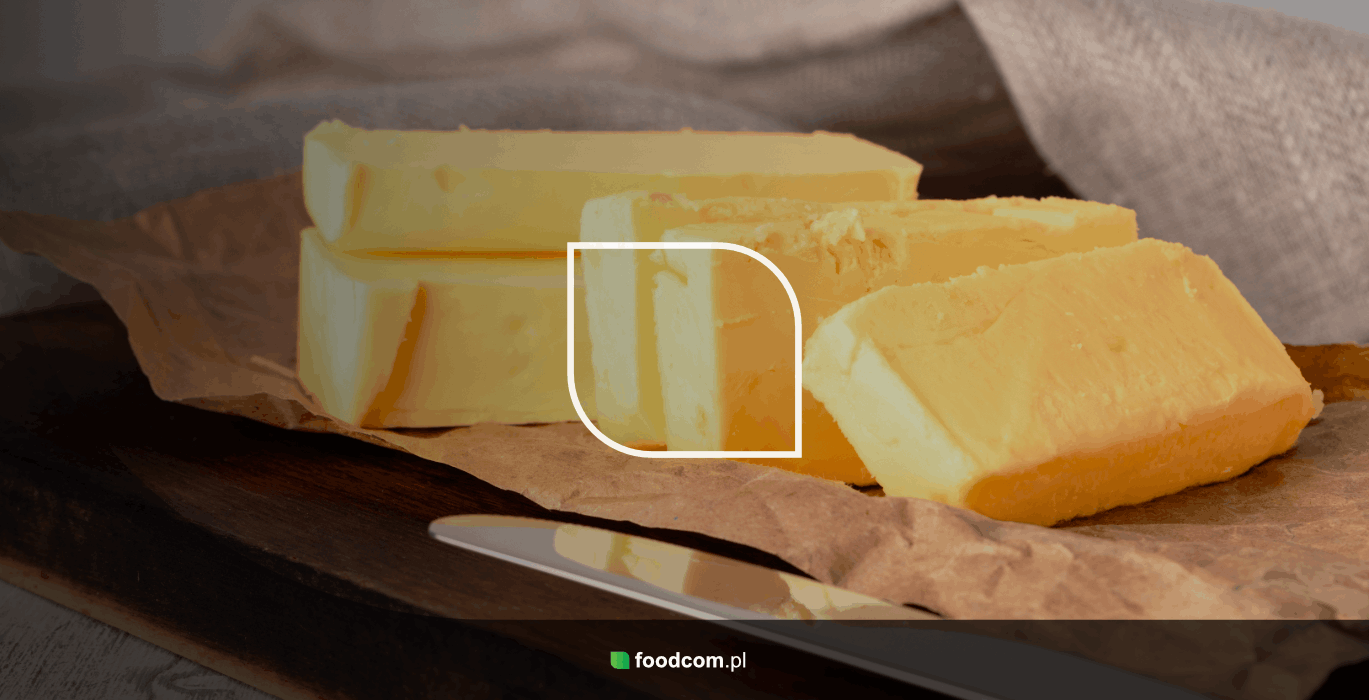
As recently as last year, consumers were hoping that the skyrocketing prices of butter were just a temporary trend. Today, we know that this optimism was misplaced—not only is butter not getting any cheaper, but its price may continue to break new records. A crisis is unfolding in the European dairy market, retailers are accepting ever-higher prices, and global turmoil—from trade policy to geopolitical conflicts—is only fueling uncertainty.
Europe is producing less and less milk
When butter prices began to rise in 2024, many hoped for a quick stabilization. Meanwhile, the situation looks worse than it did a year ago. Key European countries, such as Germany and France, are recording declines in milk production for the second year in a row.
“Milk deliveries in the EU in 2024 fell by 1.5% compared to the previous year. The largest producers, including Germany, France, the Netherlands, and Poland, cut production by as much as 3% in some regions. This is the result of several overlapping factors—rising feed costs, restrictive environmental standards, weather anomalies, and animal epidemics such as bluetongue. “In some regions, farmers had to reduce their herds because the costs of maintaining cows became too high,” comments Tomasz Kosiński, an expert at Foodcom S.A.
All of this means there is less and less raw material available on the market for butter production, which leads to even higher prices.
Major retail chains have accepted the high prices
Initially, retail stores and large retail chains held off on purchases, hoping that butter prices would fall. However, that did not happen—prices remained high, and market shortages forced stores to come to terms with the new reality.
“Market uncertainty caused some buyers to hold off on purchases, but when they saw that prices weren’t falling, they rushed to wholesalers, which drove prices up even further. The market fell into a classic cycle of self-perpetuating growth,” adds Tomasz Kosiński, an expert at Foodcom S.A..
What was supposed to be a temporary phenomenon has become the new norm. It’s not worth it for retailers to fight for lower prices, because demand remains steady regardless. People have simply started treating butter as an expensive but essential product—a bit like fuel. You can’t buy less of it, because you need it anyway.
Geopolitics and Global Price Pressure
Rising production costs aren’t the only problem. The global political situation could further impact butter prices. Donald Trump’s return to the White House in 2025 signals potential changes in U.S. trade policy. This could mean restrictions on imports of certain raw materials, or even new tariffs, which would affect the European food market.
Additionally, the ongoing conflict in Ukraine continues to affect energy and feed prices, which are key factors in milk production.
“The situation on the European milk market is becoming even more complicated. Hungary has just reported its first case of foot-and-mouth disease in 50 years, prompting Poland to immediately ban certain products from that country. This is a serious blow to the Hungarian dairy sector and another factor that could affect butter prices in the region. Germany recently faced a similar problem, which shows that the European milk market is facing ever-greater challenges,” comments Tomasz Kosiński.
Holiday Price Frenzy
Is there any hope for cheaper butter? In the short term—no. The Easter season is approaching, when demand for butter traditionally rises. In 2024, just before the holidays, prices jumped by 15%, and experts predict that a similar scenario will repeat itself in 2025.
“Easter always means an increase in demand for dairy products, particularly butter. We’re already seeing wholesalers securing their supplies, and large retail chains are beginning to contract for butter at prices higher than last year. If this trend continues, retail prices in March and April could be even higher than they are now,” says Tomasz Kosiński, an expert at Foodcom S.A.
Today, the question is not “Will butter get cheaper?” but “How much more expensive could it get?” One thing is certain—we probably shouldn’t count on a cheaper Easter breakfast in 2025.