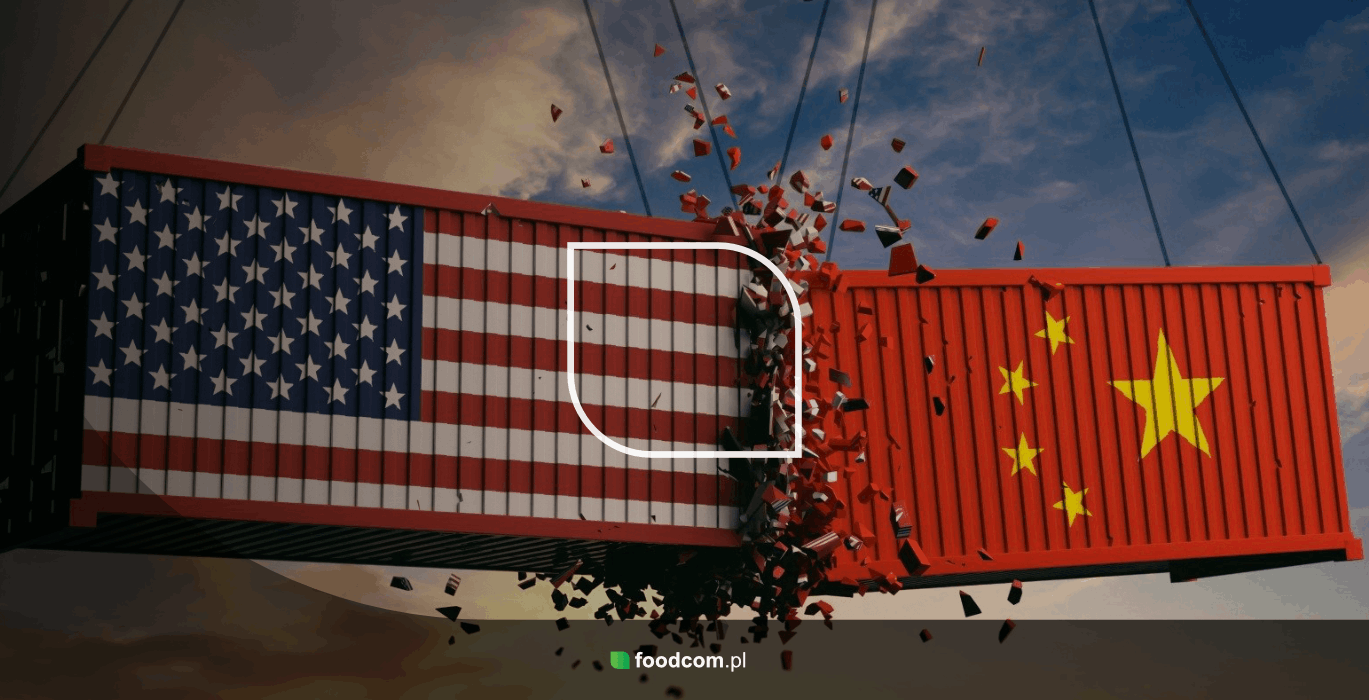
- Chiny wprowadzają 34% cła na wszystkie towary z USA w odpowiedzi na decyzje administracji Donalda Trumpa.
- Pekin rozszerza działania o kontrolę eksportu metali ziem rzadkich i sankcje wobec amerykańskich firm.
- Rynki finansowe reagują gwałtownymi spadkami i rosnącym ryzykiem globalnej recesji.
- Europa, choć nie jest stroną konfliktu, odczuje skutki poprzez łańcuchy dostaw i handel międzynarodowy.
China announced today that it is imposing additional 34 percent tariffs on all goods imported from the United States, marking Beijing’s strongest response yet to the sweeping tariff hikes implemented this week by President Donald Trump’s administration. The new rates are set to take effect on April 10, 2025.
Beijing did not limit itself to tariff measures alone. At the same time, it announced export controls on key rare earth metals, the addition of 11 U.S. companies and institutions to the so-called “list of unreliable entities” —which includes, among others, entities involved in arms supplies to Taiwan—and the filing of an official complaint with the World Trade Organization (WTO).
Markets React with Panic Following Beijing’s Decision
The markets reacted immediately. In a single day, more than $2.4 trillion vanished from U.S. stock markets, and JPMorgan raised its probability forecast for a global recession to 60%, pointing to growing uncertainty about the future of global trade. Stock prices of major tech companies, including Apple and Nvidia, fell, and manufacturing firms began adjusting their strategies by partially relocating production and exploring new export markets.
“The U.S.-China trade war once again demonstrates just how vulnerable the global economy remains to political decisions. This time, however, China’s response is much more decisive. It concerns not only tariffs but also critical raw materials and technological security. For European companies, this is a warning sign; even if they are not a direct target today, they must reckon with the secondary effects of this confrontation, especially in the context of global supply chains and export markets,” — comments Marcin Stradowski, Member of the Management Board of Foodcom S.A.
Although Europe is not a direct party to this conflict, it is not immune to its effects. The long-term consequences of the decisions being made today in Beijing and Washington will also be felt on the Old Continent, by both businesses and consumers. For the European Union, this may be a moment to redefine its position in global trade as a balancing force between the two economic powers.

![Afghanistan strengthens trade with Russia in response to regional crisis [World News]](https://foodcom.pl/wp-content/uploads/2025/03/News-world_19-600x300.png "Afghanistan strengthens trade with Russia in response to regional crisis [World News]")
![2,000 tonnes of falsely declared cocoa beans seized in Ivory Coast [World News]](https://foodcom.pl/wp-content/uploads/2023/09/Foodcom_World_News_Global-600x300.jpg "2,000 tonnes of falsely declared cocoa beans seized in Ivory Coast [World News]")
![Sugar prices lowest in 3 years – what does the market have in store for the near future? [World News]](https://foodcom.pl/wp-content/uploads/2023/09/Foodcom_World_News_Additives-600x300.jpg "Sugar prices lowest in 3 years – what does the market have in store for the near future? [World News]")