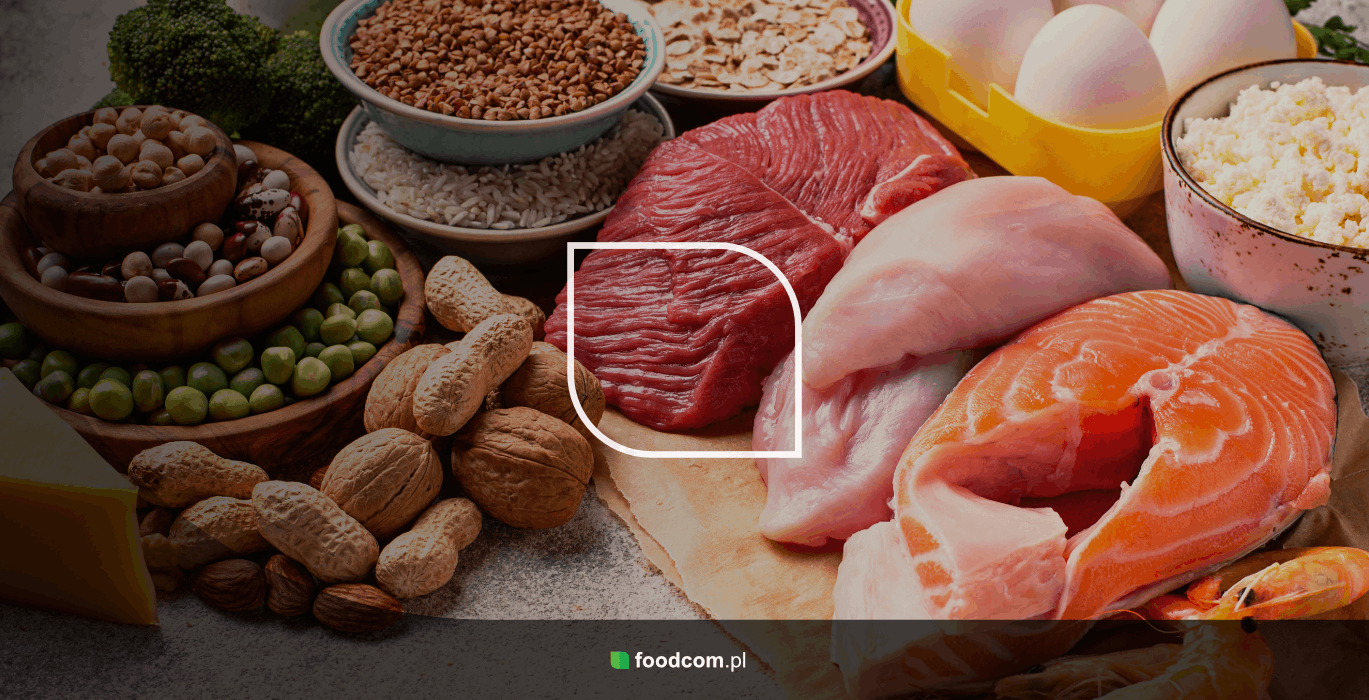
- Protein is essential for building and repairing the body.
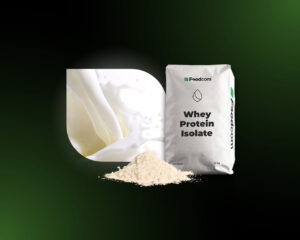
- Animal protein is characterised by high digestibility.
- Plant protein also provides fibre and bioactive compounds.
- A properly balanced plant-based diet can provide a complete range of amino acids.
- The best results come from a varied diet combining different sources of protein.
Protein is one of the most important nutrients essential for the body to function properly. It is responsible for building and repairing tissues, plays a role in the production of hormones, enzymes and antibodies, and is involved in numerous metabolic processes. No wonder that more and more people are paying attention not only to the amount of protein they consume, but also to its source.
Why is protein so important for the body?
There has been an ongoing debate for years about whether plant-based or animal-based protein is the better choice. Both types of protein provide the body with the amino acids essential for life, but they differ in composition, properties and additional nutrients. What are the key differences between them, and which should be prioritised in your daily diet?
Protein performs many fundamental functions. It is the basic building block of muscles, skin, hair and internal organs. It also helps transport nutrients and oxygen, supports the immune system and plays a role in regenerative processes. Without an adequate supply of protein, the body is unable to develop properly, repair damaged tissues or maintain many vital processes at the correct level. For this reason, protein should be an important part of any well-balanced diet.
Plant-based versus animal-based protein – the key differences
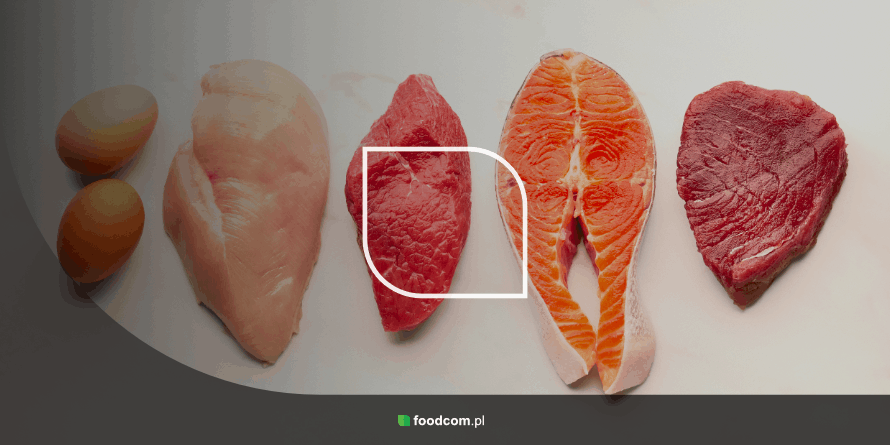
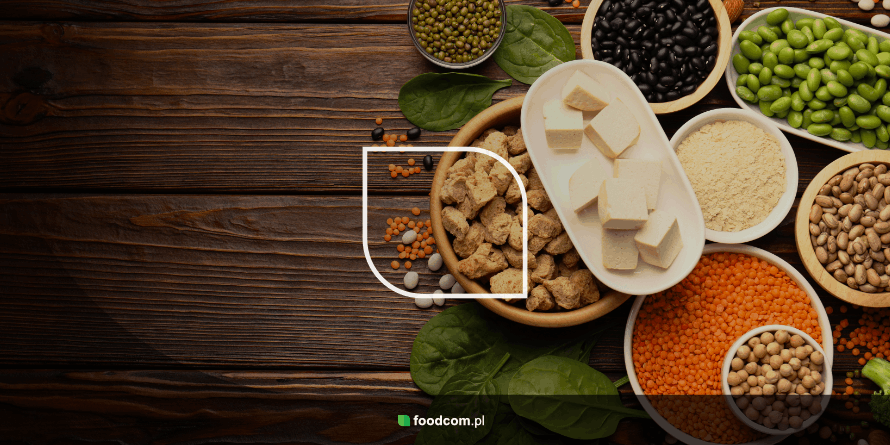
The fundamental difference between these types of protein lies in their origin. Animal protein is found primarily in meat, fish, eggs and dairy products. Plant-based protein, on the other hand, is found in sources such as pulses, soya, cereal products, nuts and seeds. However, the differences relate not only to the source but also to the presence of other nutrients.
Plant-based products provide dietary fibre, polyphenols and many natural bioactive compounds. In contrast, animal-based foods contain, amongst other things, vitamin B12, which does not occur naturally in plant-based products. It is also important to remember that plant-based and animal-based products differ in their fat profile, mineral content and the amount of substances that support metabolic health.
What about protein digestibility?
One of the most frequently discussed topics is the digestibility and utilisation of protein by the body. It is widely believed that animal protein is more easily digestible, a view that is indeed supported by numerous studies. However, this does not mean that plant protein is less valuable. In the case of plant-based products, the proper preparation of the raw materials is of great importance. This applies particularly to pulses, which are best soaked before cooking and subjected to proper heat treatment. This helps reduce the content of naturally occurring anti-nutrients and improve digestive comfort. Those who are just beginning to increase the proportion of plant-based products in their diet can gradually introduce pulses in the form of purées, creams or dishes with a finer texture.
Does plant protein contain all the amino acids?
One of the most common myths is the belief that only animal protein provides the full range of amino acids necessary for the body to function properly. In reality, a well-balanced diet based on a variety of plant-based foods can also provide all the essential amino acids.
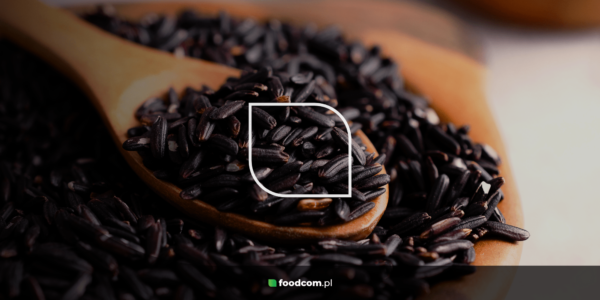
Legume seeds, soya, quinoa and cereal products are valuable sources of amino acids. What matters most is dietary variety and the appropriate combination of plant-based products. Plant protein blends are also becoming increasingly popular, as they provide a very beneficial amino acid profile. Products based on pea, rice or soya protein are widely used by both physically active individuals and manufacturers of functional foods.
Benefits of consuming plant-based protein
The growing interest in a plant-based diet stems not only from dietary trends but also from the numerous benefits associated with consuming plant-based foods. Products rich in plant protein provide dietary fibre, which supports the proper functioning of the digestive system and helps maintain a feeling of fullness for longer. In this way, they can support weight management and healthy eating habits.
Polyphenols – compounds naturally found in plants – also play a significant role. They are valued for their antioxidant properties and their role in protecting cells from oxidative stress. In addition, plant-based products often provide vitamins, minerals and other substances that support the body’s daily functioning.
What are the benefits of animal protein?
However, we must not forget the benefits of animal protein. Eggs, dairy products, meat and fish provide complete protein with high bioavailability. They are also a source of many valuable nutrients, including vitamin B12, haem iron, zinc and certain B vitamins. For this reason, they can be an important part of a balanced diet. For physically active people or athletes, animal protein is often used due to its high concentration of amino acids and the ease of creating meals rich in this nutrient.
Plant and animal protein in protein supplements
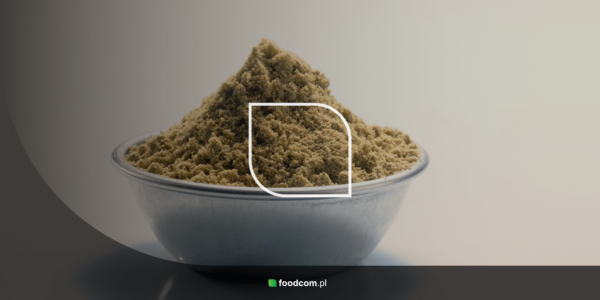
The dietary supplement market currently offers a wide range of products based on both animal and plant proteins. Whey supplements are the most popular, but they are increasingly facing competition from products based on pea, rice, soya or hemp protein. For many people, the lack of lactose is a key factor in choosing plant-based supplements. This means they are well tolerated by those who are lactose intolerant or seeking alternatives to dairy products.
Which protein should you choose?
There is no single universal answer to the question of which protein is best. The choice should depend on individual needs, lifestyle, dietary preferences and overall eating habits. The best solution for most people is a varied diet that includes different sources of protein. This allows you to reap the benefits of both plant-based and animal-based products, whilst providing the body with a wide range of nutrients.
Variety rather than elimination – the best approach to protein
Comparing plant-based and animal-based protein often leads to unnecessarily prioritising one source over the other. Yet both types of protein are valuable components of a daily diet. The most important thing is to maintain balance and variety, and to provide the body with the right amount of this key nutrient. By consciously planning your meals, you can effectively support your health, well-being and the proper functioning of your body.