- Matcha is a finely ground green tea with an intense flavor, color, and high concentration of natural ingredients.
- It comes in various types, such as ceremonial and culinary matcha, which have different uses.
- It is widely used in beverages, desserts, functional products, and dietary supplements.
- Its popularity stems from a combination of sensory qualities, health benefits, and trends related to premium and natural products.
In recent years, matcha has ceased to be a niche product reserved for enthusiasts of the Japanese tea ceremony – today, it is a recognizable ingredient in beverages, desserts, and premium products. From a market perspective, matcha combines an attractive image with broad application potential; from a consumer perspective, it is synonymous with quality and nature. What should you know about this product? What types of matcha are there, and what are its properties? Below, you’ll find answers to these questions, as well as information on where to buy matcha for commercial or manufacturing purposes.
What is matcha?
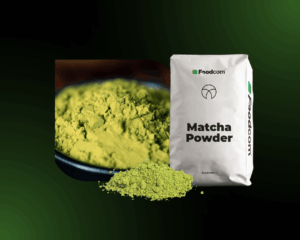
Matcha is a special type of green tea in the form of a very fine powder. It is produced by grinding specially cultivated leaves of the Camellia sinensis species. Unlike classic loose-leaf teas, it is not prepared by simply steeping and straining the leaves – in this case, the entire powdered leaf is consumed. A beverage made with matcha has an intense color, a distinct flavor, and different functional characteristics than traditional green tea.
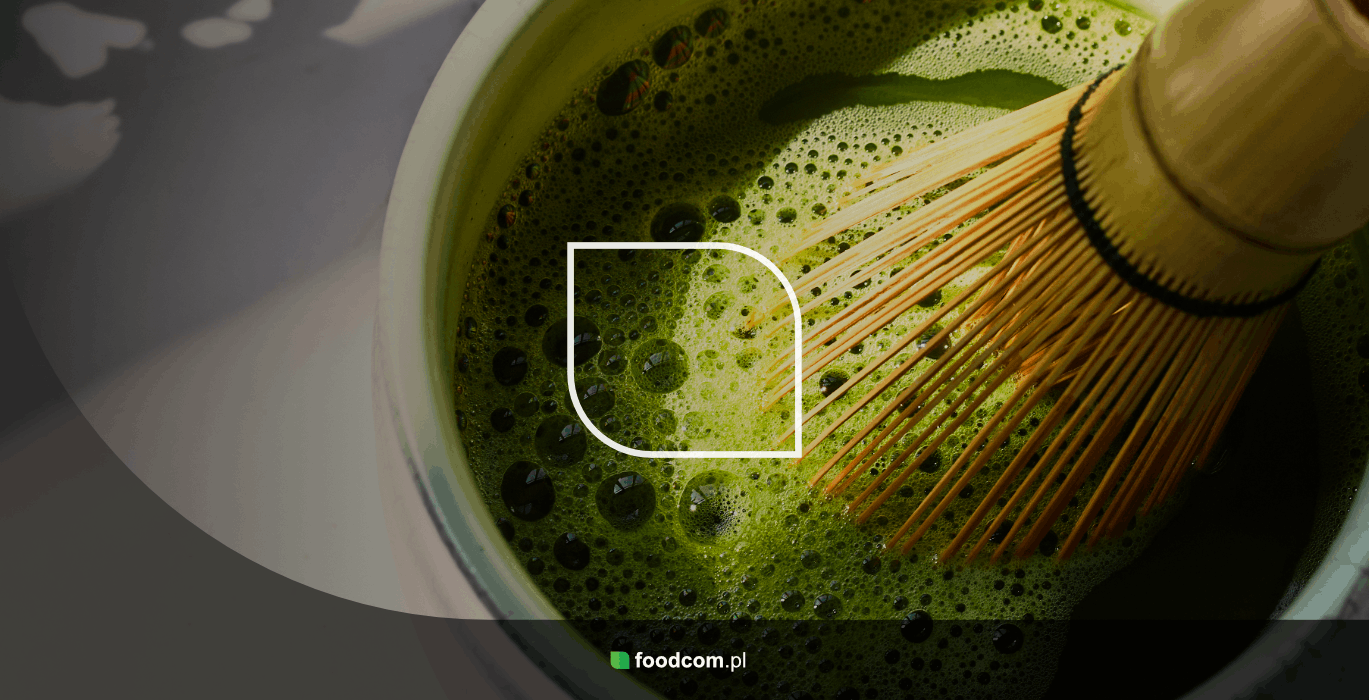
Matcha powder is used both for preparing beverages and as an ingredient in baked goods, ice cream, desserts, and functional products. Traditionally, a matcha-based drink is prepared by mixing the powder with water at a temperature of 80–90°C using a special whisk called a chasen, in a bowl called a chawan.

Matcha – where does it come from and how is it made?
Japan is considered the country of origin for matcha, although it was introduced there from China. However, it is Japan that is most closely associated with the product’s history and culture—matcha is used in the traditional tea ceremony known as chanoyu. The country is also associated with the most highly regarded quality standards for matcha. Regions such as Uji, Nishio, and Shizuoka are well-known in the tea industry and often serve as a benchmark for evaluating the quality of the raw material. Matcha for export is also produced in China and Vietnam, among other places.
The matcha production process is of great importance to the quality of the final product. Before harvesting, tea bushes are shaded using mats, which affects the chemical composition of the leaves, their color, and flavor. After harvesting, the leaves are steamed, dried, and sorted. Next, the stems and veins are removed, and the resulting material is ground into a very fine powder.
Matcha powder – types
In the market, there are generally two main types of matcha: ceremonial and culinary.
Ceremonial matcha is a top-quality product, intended primarily for direct consumption. It is made from very young leaves. It is characterized by a bright, vibrant green color, a smooth texture, a more delicate flavor, and less bitterness. This type is most often chosen by tea houses, premium cafes, and those interested in Asian traditions.
Culinary matcha, on the other hand, is intended for technological and gastronomic applications. It usually has a more pronounced, slightly stronger flavor, making it well-suited for desserts, baked goods, creams, ice cream, smoothies, or ready-to-use beverage mixes.
In commercial practice, more detailed classifications can also be found, covering various levels of color intensity, specific growing regions, or parameters tailored to a given application. Organic matcha is also worth noting, as it responds to the growing interest in products from certified sources.
What are the properties of matcha?
Matcha’s properties are one of the main reasons for its popularity. This product is valued above all for its natural origin, intense color, distinctive flavor, and health benefits, which align perfectly with current market trends.
From a sensory perspective, matcha stands out for its fresh, plant-based aroma, as well as its bright green color and distinctive flavor. These characteristics result, among other things, from the cultivation of tea bushes in the shade. Inhibiting photosynthesis causes the leaves to contain more chlorophyll, and the theanine they contain does not convert into tannin. As a result, instead of the characteristic bitter taste of tea, matcha has an intense umami flavor with notes of sweetness and a delicate bitterness. The leaves also contain more caffeine.
Technological properties are also important for producers and distributors. Matcha takes the form of a finely ground, uniform powder that mixes well with water, milk, plant-based beverages, sugar, white chocolate, or dessert bases. It can influence both the flavor and the final appearance of the product.

The use of matcha in the food and restaurant industries
Just a few years ago, matcha was mainly associated with traditional tea ceremonies, but today its applications are much broader. In the food service sector, it is used to prepare a variety of beverages: lattes, smoothies, lemonades, seasonal drinks, and signature creations. In confectionery, it works well in cakes, mousses, creams, cheesecakes, macarons, and chocolates.
For the food industry, matcha is an intriguing ingredient in functional products, premium blends, and items targeted at health-conscious consumers. It gives products a distinctive color and a trendy flavor profile, and its presence on the label often enhances the perceived value of the product. It can be used in bars, beverage mixes, instant oatmeal, or supplements.
Where to buy matcha?
Before purchasing matcha, you should evaluate several key parameters, such as:
- intended end use – is it meant to be premium matcha for beverages, or just one of many ingredients in a product?
- color – the more vibrant and intense the green, the higher the quality and the better the product is perceived by the end customer;
- taste and aroma – good matcha should not taste flat or be overly bitter;
- powder texture – a grain size that is too coarse can impair solubility and the sensory experience during consumption;
- Transparency of origin and documentation confirming quality.
When purchasing matcha for industrial applications, the following are also important: supply stability, the ability to place bulk orders, batch consistency, support in selecting the appropriate variant, and flexibility in the product range. Foodcom S.A. is a supplier with a strong reputation in the market. The company offers options for long-term cooperation with sales support, timely delivery, and access to a wide portfolio of raw materials.
Matcha fits well with several strong trends – it is visually appealing, responds to the interest in products inspired by Asia and world cuisine, and capitalizes on the trend toward distinctive premium ingredients. For companies, this means the opportunity to build new product categories or refresh existing lines. The addition of matcha can set a café’s offerings apart, expand a dessert manufacturer’s product range, or give a retail brand a fresh new identity.