- Cocoa is a rich source of antioxidants that support heart and brain health.
- Regular consumption of cocoa can improve mood and lower blood pressure.
- Cocoa contains small amounts of caffeine, making it a safe drink before bedtime.
- It is best to choose raw, unsweetened cocoa to reap the full health benefits.
- Natural cocoa contains more flavanols than alkalized cocoa, and cocoa is toxic to dogs and cats.
Cocoa is not only a unique taste, but also offers a range of health benefits. Find out how it affects the body, whether it is worth drinking it before bed and how many calories it contains. Find out if cocoa contains caffeine, where it comes from, and its use in your daily diet and rituals. Discover the values of this popular superfood.
Is cocoa healthy?
Natural cocoa, especially in its raw form, has for years enjoyed a reputation as one of the healthiest foods. Modern scientific research confirms that it is a rich source of bioactive compounds such as flavonoids – mainly epicatechins and catechins – which exhibit powerful antioxidant and anti-inflammatory effects.
Based on recent studies, cocoa can be considered a valuable part of a healthy diet. Its regular consumption in moderate amounts, especially in the form of raw cacao, can provide a number of benefits, such as improved heart function, support for brain health, better blood sugar control and protection against oxidative stress. Drinking cacao also has a positive effect on normal blood pressure. To maximise these benefits, it is best to choose unsweetened cocoa or chocolate with a high cocoa content (above 70%).
Is drinking coffee with cocoa healthy?
The combination of coffee and cocoa is gaining popularity in both health circles and among coffee lovers, creating a drink that combines the qualities of both. Scientists and nutritionists are beginning to investigate this duo in terms of its effects on health. Based on the available research, we can conclude that the regular consumption of coffee with cocoa can bring numerous benefits, but there are also some aspects to consider.
Both ingredients provide valuable antioxidants such as flavonoids and polyphenols, which support heart health, improve brain function and help regulate blood sugar levels. Caffeine from coffee has a stimulating effect, while natural cacao, thanks to its theobromine content, has a calming effect, creating a balanced effect – stimulation without excessive nervousness. In addition, cocoa can improve mood and help reduce stress. However, it is important to avoid sweetening the drink and to be mindful of the limitations associated with excess caffeine, especially in sensitive individuals.
Drinking cocoa at night?
Drinking cocoa at night can be beneficial to your health, especially in terms of improving sleep quality and overall relaxation. Cocoa is rich in compounds such as theobromine and tryptophan, which support the production of serotonin, the happiness hormone responsible for feelings of calm and contentment, which promotes calmness in the body before bed. Tryptophan is also a precursor to melatonin, the hormone that regulates the sleep cycle, which can further support falling asleep.
Unlike coffee, cocoa contains only small amounts of caffeine, making it a safe evening drink for most people, although those who are particularly sensitive to theobromine may feel slightly stimulated.

How much does a spoonful of cocoa weigh?
In the context of cocoa, the most commonly used measurement is a tablespoon (around 5-6 grams) when talking about calorie conversions or caffeine content. A teaspoon (about 2-3 grams) has a smaller volume, so the amount of nutrients and caffeine would be half as much.
If you refer to standard recipes or recommendations, usually the measure ‘spoon’ just means a tablespoon, not a teaspoon.
How many tablespoons is 20 g of cocoa? About 3.5–4 level tablespoons. Below are conversions for cocoa powder (a level tablespoon is about 5–6 g, a level teaspoon about 2–3 g):
| Amount of cocoa | Tablespoons | Teaspoons | Calories (unsweetened cocoa) |
|---|---|---|---|
| 10 g | approx. 2 | approx. 4 | 23–35 kcal |
| 20 g | 3.5–4 | 7–8 | 46–70 kcal |
| 50 g | 9–10 | 18–20 | 115–175 kcal |
| 100 g | 18–20 | 35–40 | 230–350 kcal |
| 1 cup (250 ml), approx. 90 g | approx. 16 | – | 205–315 kcal |
A heaped spoon can weigh up to half as much again, so for recipes that need precision it is best to use a kitchen scale.
How many calories does cocoa have?
The calorie content depends on the form and how the cocoa is consumed. Raw, unsweetened cocoa powder is a relatively low-calorie product, but rich in nutritional value. On average, 1 tbsp (about 5-6 g) of unsweetened cocoa has 12-20 kcal, depending on the brand and how it is processed.
However, if cocoa is consumed as a beverage with milk, sugar or other additives, the calorie content increases significantly. For example, a cup of hot cocoa prepared with full-fat milk and added sugar can have between 150 and 250 kcal.
It is therefore worth paying attention to the ingredients with which you prepare cocoa if you want to control your calorie intake.
Is cocoa a natural source of antioxidants?
Cocoa is one of the most abundant natural sources of antioxidants. Cocoa’s antioxidant properties not only help to protect cells from oxidative stress, but also support the cardiovascular system by improving blood flow and lowering blood pressure. Regular consumption of cocoa can significantly increase antioxidant levels in the diet, helping to better protect the body from free radical damage.
Does cocoa have caffeine?
Yes, cocoa does contain caffeine, but in much smaller amounts than coffee. Raw cocoa powder has about 12 mg of caffeine per 1 tsp. In comparison, a cup of coffee (240 ml) can contain between 95 and 200 mg of caffeine, depending on the type of coffee and how it is brewed.
Who should be careful with cocoa?
Cocoa is safe for most people, but in some situations it is worth limiting the amount or consulting a doctor:
- calcium oxalate kidney stones – cocoa is rich in oxalates, which can promote stone formation,
- reflux and heartburn – cocoa and chocolate can relax the lower oesophageal sphincter and worsen symptoms,
- pregnancy and breastfeeding – cocoa contains little caffeine, but it still counts towards the daily limit (EFSA advises up to 200 mg of caffeine a day during pregnancy),
- migraine – for some people cocoa and chocolate are among the triggers of headaches,
- sensitivity to caffeine and theobromine – large servings can cause palpitations, restlessness and trouble sleeping.
The cocoa tree naturally takes up cadmium from the soil, which is why the EU sets limits for this metal in cocoa products. For cocoa powder sold to consumers the limit is 0.60 mg/kg (Regulation (EU) 2023/915). Cocoa from reliable suppliers meets these standards, but moderation still makes sense – 1–2 tablespoons a day is a reasonable serving.
Why is cocoa dangerous for dogs and cats?
Theobromine, which has a mild stimulating effect in humans, is toxic to dogs and cats. These animals break it down very slowly – in dogs the half-life of theobromine is about 17.5 hours. The first signs of poisoning (vomiting, diarrhoea, excessive thirst, agitation) can appear at a dose of about 20 mg of theobromine per kilogram of body weight, and above 40–60 mg/kg there is a risk of heart rhythm disorders and seizures.
Cocoa powder is one of the most concentrated sources of theobromine – one tablespoon contains about 110–130 mg. For a 10 kg dog, just 2 tablespoons of cocoa can therefore cause symptoms of poisoning. If your dog has eaten cocoa or dark chocolate, contact a vet as soon as possible. A safe substitute in dog treats is carob, which contains neither theobromine nor caffeine.
Does cocoa spoil?
Cocoa can spoil, but this is a relatively slow process, especially if the cocoa is stored correctly. Raw, unsweetened cocoa powder has a long shelf life, often 2 to 3 years after production, provided it is stored in a dry, cool place, away from light and moisture.
Raw cocoa is unlikely to spoil in the traditional sense, such as dairy products, but it can lose quality. Over time, it can:
- lose its intensity of flavour and aroma,
- take on an unpleasant smell if it absorbs moisture,
- go rancid if it contains natural fats, although this process takes time.
If the cocoa has lumps, has changed colour or has an odour, this means that it may have absorbed moisture and lost its properties, in which case it is best not to use it. It is always worth storing cocoa in a sealed container to ensure its shelf life and quality.
What is the difference between alkalized and natural cocoa?
Cocoa powder comes in two basic versions. Natural cocoa is light brown, with an intense, slightly acidic taste and a pH of about 5–6. Alkalized cocoa, also called Dutch-processed cocoa, is additionally treated with an alkaline solution, usually potassium carbonate. The method was popularised in the 19th century by the Dutch manufacturer Coenraad van Houten.
Alkalization raises the pH to about 7–8, gives cocoa a darker colour and a milder taste, and makes the powder disperse better in drinks. It comes at a price, however: the process reduces the flavanol content, and with strong alkalization the losses can exceed 80%. If health benefits are your priority, choose natural cocoa. For drinks, ice cream and baked goods with a deep chocolate colour, alkalized cocoa works better. Read more about the differences in the article Alkalized and non-alkalized cocoa – how do they differ?
Where does cocoa grow?
Genuine cocoa, which comes from the seeds of the cocoa tree (cocoa beans), grows mainly in tropical regions of the world where there is a warm, humid climate. The cocoa tree thrives best in a zone known as the ‘Cocoa Belt’, which includes areas 20 degrees north and south of the equator. This is where the optimal climatic conditions for growing the plant are found, including high humidity, stable temperatures and regular rainfall. The key growing regions are countries in Africa, Latin America and Asia and Oceania.
1. Africa – the largest cocoa producer
Africa accounts for more than 70% of global cocoa production, with two countries – Côte d’Ivoire and Ghana – dominating the global market.
- Côte d’Ivoire is the world’s largest cocoa producer, supplying more than 40% of the global harvest. Cocoa from the region is known for its high quality and is supplied to many countries as a raw material for chocolate production.
- Ghana is the second largest cocoa producer and their cocoa is prized for its rich aroma and high cocoa butter content, making it a coveted raw material by top chocolate manufacturers.
Other African countries, such as Nigeria and Cameroon, also have developed cocoa plantations, although their share of global production is smaller.
2. Latin America – the cradle of cocoa
The history of cocoa cultivation begins in Central and South America. It was here, in the areas of present-day Mexico, Honduras and Guatemala, that cacao was cultivated and used by indigenous peoples such as the Maya and Aztecs, long before Europeans discovered the Americas.
Today, important cacao producers in the region are:
- Ecuador – the country is famous for its unique Arriba Nacional cacao, considered one of the most aromatic cacaos in the world. Ecuador produces some of the most highly prized cocoa varieties with a complex flavour and rich history.
- Peru, Colombia and Venezuela are also important players in the market, particularly for their unique, rare cacao varieties such as Criollo, which has a delicate flavour and aroma but is more demanding to grow.
3. Asia and Oceania – growing regions for cocoa production
Although Asia is not a traditional cocoa growing area, countries such as Indonesia, Malaysia and Papua New Guinea have developed cocoa production on a larger scale in recent decades. Indonesia is the largest cocoa producer in Asia, although its harvests have fallen sharply in recent years – today the world’s third-largest producer is Ecuador. Cocoa from the region is mainly used in the production of bulk chocolate, but some plantations produce high-quality beans used in premium products.

Under what climatic conditions does cocoa grow?
The cocoa tree requires specific climatic conditions:
- Temperature: the optimum temperature for growing cocoa is 20-30°C. The cocoa tree cannot tolerate frost and is therefore only grown in tropical regions.
- Humidity: Cocoa needs high humidity, usually between 70-100%, to grow properly. The rainy seasons are crucial for the growth and development of the tree.
- Soil: Cocoa grows best in fertile, well-drained soils, rich in nutrients. Cultivation is most common in lowland areas, but some trees also grow at low altitudes.
- Shade: Cocoa trees are shade-loving plants. In many plantations, they grow under the crowns of taller trees, which protects them from direct sunlight. Natural or artificial provision of shade is crucial for cocoa trees to develop in a healthy and productive way.
What are the types of cocoa and growing regions?
True cacao comes in three main varieties: Criollo, Forastero and Trinitario, each of which has different flavour characteristics and is grown in different regions of the world.
- Criollo is the rarest and most prized variety, accounting for only 5-10% of global production. Grown mainly in Venezuela, Peru and Mexico, it is characterised by its delicate, fruity flavour. It is difficult to grow and susceptible to disease, making it a luxury product.
- Forastero is the most popular variety, accounting for about 80% of world production, grown mainly in Africa (Ivory Coast, Ghana). It is more resistant to disease and has an intense, bitter taste, ideal for mass-produced chocolate.
- Trinitario, a hybrid of Criollo and Forastero, combines the robustness of the complex flavour of Criollo and the resilience of Forastero. It is grown in the Caribbean, Latin America and Asia, among others, offering a rich flavour profile with notes of fruit and spice.
Each variety has a unique flavour, which further depends on the growing region, resulting in cocoa from different parts of the world having different flavour profiles.
Why has cocoa become so expensive?
In 2023–2024 the cocoa market saw a price surge not seen in decades. In December 2024 a tonne of cocoa on the New York exchange cost over USD 12,000, while in 2020–2022 it usually cost USD 2,000–2,500. The main causes were:
- droughts and El Niño, which reduced harvests in West Africa,
- cocoa tree diseases, especially cocoa swollen shoot virus (CSSVD), which destroys plantations in Ghana and Côte d’Ivoire,
- ageing trees and low farmer incomes, leaving no money to renew plantations,
- illegal gold mining in Ghana, which takes over farmland and pollutes water.
The International Cocoa Organization (ICCO) estimated the supply deficit in the 2023/24 season at almost 500,000 tonnes – the largest in more than 60 years. Prices started to fall in 2025, but the market remains very volatile, and food manufacturers are increasingly reformulating recipes and turning to cocoa substitutes.
Is cocoa a fruit?
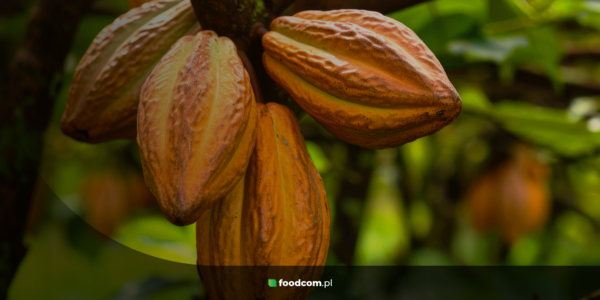
Cocoa comes from the fruit of the cacao tree (theobroma cacao). The cacao tree itself produces a fruit known as the cacao pod (or otherwise known as cocoa fruit). These pods, which can range in colour from green to yellow, red or purple, contain the seeds (cocoa beans). It is these seeds that are the basic raw material used to make cocoa and chocolate.
The structure of the cocoa fruit:
- Peel (exocarp): The outer layer of the fruit that protects the seeds.
- Pulp (pulp): The sweet and juicy part surrounding the cocoa bean, it is edible and used to make fermented drinks.
- Cocoa beans (seeds): Contain cocoa butter and valuable compounds which, after fermentation, drying and roasting, are transformed into cocoa powder and other products such as chocolate.
Thus, cocoa is a product processed from the seeds of the fruit of the cacao tree, and the tree itself produces tropical pods that are rich in valuable nutrients.
Were cocoa beans once used as money?
Yes. In Mesoamerica, cocoa beans served as currency for centuries. The Aztecs collected tribute in them, and a surviving document from Tlaxcala dated 1545 lists the “prices” of the time: a turkey hen cost 100 beans, an avocado 3 beans and a large tomato 1 bean. The beans were so valuable that there were counterfeiters who filled empty shells with earth or sand.
The special status of cocoa can also be seen in its name. Carl Linnaeus named the cocoa tree Theobroma cacao – “theobroma” means “food of the gods” in Greek. Theobromine, the main alkaloid in cocoa, also takes its name from it.
What vitamins does cocoa contain?
Cocoa is a rich source of many valuable nutrients, including vitamins and minerals. As far as vitamins are concerned, in natural, unprocessed cacao we find primarily:
- Vitamin E (tocopherol) – acts as an antioxidant, helping to protect cells from oxidative stress,
- Vitamin K – essential for, among other things, proper blood clotting,
- Vitamin B1 – influences the nervous system and carbohydrate metabolism,
- Vitamin B2 – supports the skin, vision and metabolism,
- Vitamin B3 – supports the nervous system and skin,
- Vitamin B6 – important for brain function and the immune system
- Vitamin B9 (folic acid) – important for the nervous and blood-forming systems
Does cocoa have weight loss properties?
Cocoa can gently aid weight loss, but it does not have a slimming effect in a direct sense. It contains flavanols that improve metabolism and may have a beneficial effect on insulin sensitivity, which helps with weight control. In addition, natural cocoa is slightly stimulating and can reduce appetite, especially for sweets.
However, it is important to note that this only applies to unsweetened, natural cocoa. Prepared cocoa drinks or chocolate usually contain a lot of sugar and calories, which promotes weight gain.
What minerals does cocoa have?
Cocoa is a valuable product with a rich nutritional composition. In addition to vitamins, it contains numerous minerals that play an important role in the body’s normal functioning. Regular consumption of cocoa can support the nervous and cardiovascular systems, and has a beneficial effect on energy levels and immunity
Among the minerals contained in cocoa are mainly magnesium, which supports the muscular and nervous systems, iron, which is essential for the production of red blood cells, zinc, which affects immunity and wound healing, and potassium, which regulates blood pressure and water-electrolyte balance. Cocoa is also a source of phosphorus, important for healthy bones and teeth, and copper, involved in metabolic processes and iron absorption.
As well as being a tasty addition to the daily diet, cocoa is a superfood that offers many benefits. Regular consumption of cocoa, especially in its raw, unsweetened form, can offer numerous health benefits. Whether you drink it in the morning with your coffee or in the evening for a peaceful end to the day, cocoa is an excellent choice that deserves a permanent place in your diet.