- New U.S. tariffs are increasing uncertainty in the global nut market.
- California almond producers are particularly vulnerable to the effects of trade wars.
- The European Union is responding with tariffs, and importers are seeking alternative sources of supply.
- Trade tensions could lead to higher food prices in Europe.
Donald Trump’s return to the rhetoric of trade protectionism could have unexpected consequences—including for a sector that rarely makes the headlines: the nut market.
In April 2025, the United States announced new tariffs on a wide range of imported goods, citing national interest and industrial sovereignty. Although they were supposed to take effect immediately, implementation was postponed by 90 days—until July—which only deepens uncertainty among exporters. China faces tariffs as high as 145%, while the EU faces a base rate of 10%. These measures have triggered retaliatory actions that are hitting agriculture—especially California nut producers, long viewed as collateral damage in tariff wars.
The Core of the Crisis
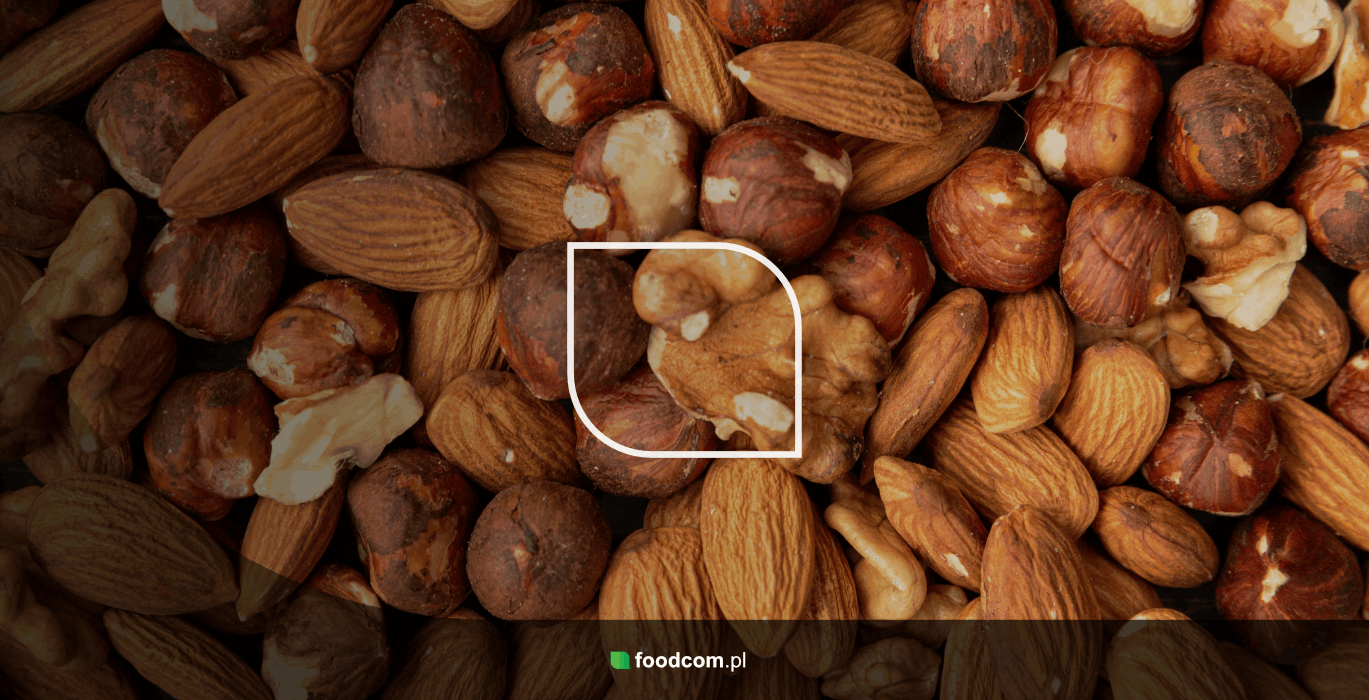
The U.S. dominates the global almond market (accounting for over 70% of exports) and is a major player in pistachios and walnuts. The sector is sensitive to geopolitics: the previous trade war of 2018–2019 resulted in severe losses. Today, with rising global demand and low inventories, tariff tensions could have even more serious consequences.
UC Davis estimates indicate that a new escalation could cost California as much as $6 billion annually. In 2020 alone, retaliatory tariffs reduced the tree nut industry’s revenue by $239 million.
Europe’s Almond Dilemma
The EU, one of the main importers of U.S. almonds and pistachios, is also retaliating: on April 9, member states voted on a tariff package that includes, among other things, peanut butter, dried cranberries, and soon almonds themselves. Importers are considering alternatives, such as Iran or Turkey, but their instability and inconsistent supply quality are causing concern.
“In situations like this, you have to act quickly and flexibly. That’s why more and more companies, including those in Poland, are diversifying their supply sources to better protect their customers,” says Jon Brecht, Senior International Trader and U.S. market specialist at Foodcom S.A.
New directions, old dependencies
Tariffs are accelerating the restructuring of supply chains. U.S. exporters are already increasing shipment volumes to Southeast Asian countries, from where goods can be shipped further—including to China, despite formal barriers.
What’s next?
If current tariffs are maintained or expanded, we can expect a wave of price hikes, contract renegotiations, and potential shifts in global trade routes. For European consumers, this means higher prices for granola, baked goods, and premium sweets—though they may not necessarily know why.
“In my opinion, Donald Trump’s ultimate goal is to put pressure on China. China will likely refuse to negotiate until it feels the effects of being cut off from the U.S. market. Only then might they come to the table. At the same time, I believe the U.S. and the EU could work toward a mutual zero-tariff agreement in the future. This would benefit both US exporters and EU companies, which could compete on a level playing field,” adds Jon Brecht.