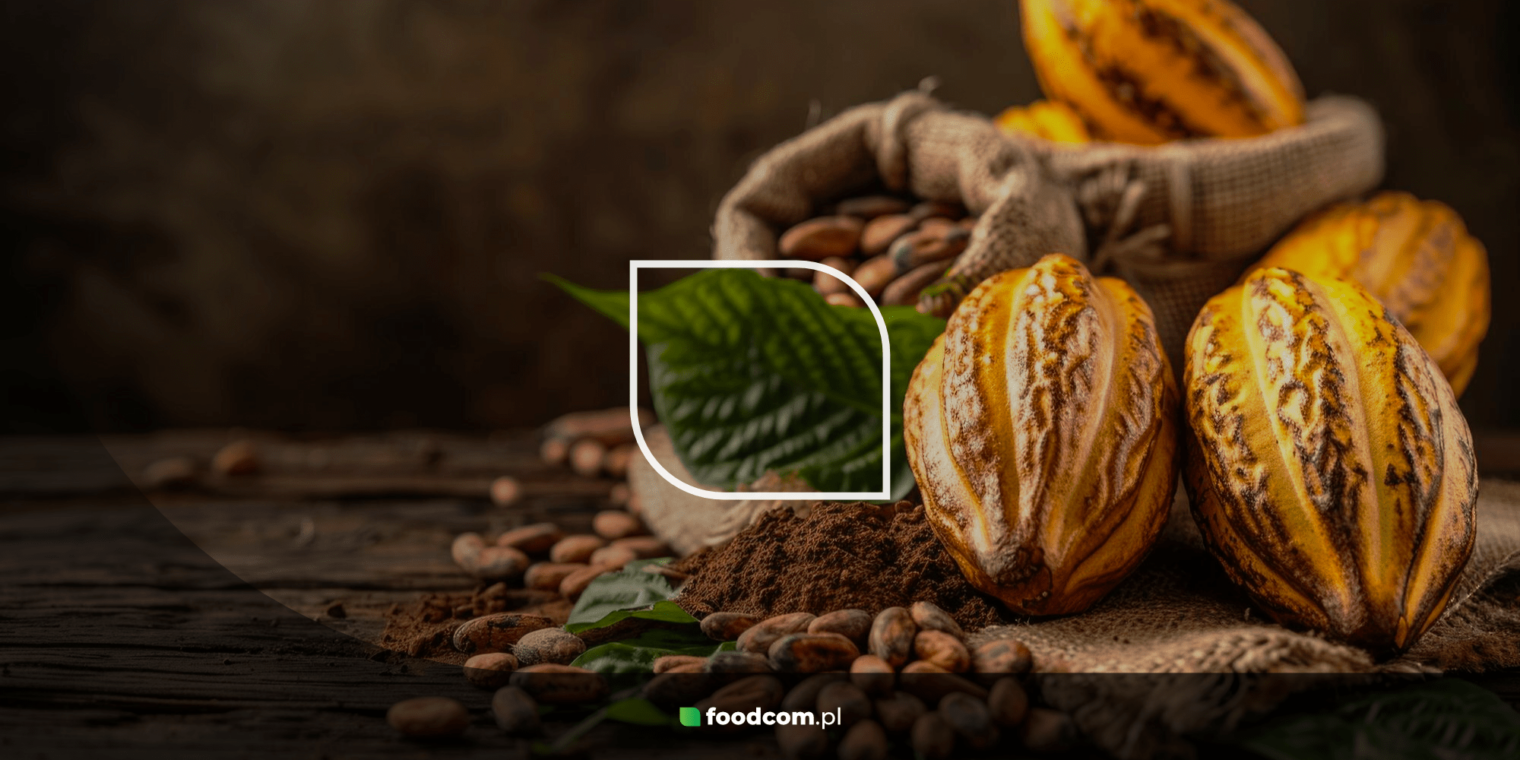
- Criollo, Forastero, and Trinitario are the three main cocoa varieties, which differ in flavor, aroma, hardiness, and scale of production.
- Forastero dominates industrial production, while Criollo is the rarest and most prized variety.
- Natural and alkalized cocoa differ in acidity, color, flavor, and processing characteristics.
- The variety, origin, and processing method of cocoa influence the quality and intended use of the final product.
Cocoa is a product derived from cacao beans, which originate from the forests of Latin America. After Europeans discovered the Americas, cocoa made its way to Spain and then spread throughout the world. In the 19th century, it became available to most people, mainly in the form of chocolate. Everyone is familiar with it, but few know that there are different varieties of cocoa. Find out which ones are available on the market.
Where does cacao come from, and what are its varieties?
Cocoa originates from the tropical forests of Central and South America. The Maya and Aztecs considered it a gift from the gods and used it to prepare a bitter ritual drink. Currently, the largest producers of cacao are countries in West Africa, such as Ivory Coast, Ghana, and Nigeria, as well as countries in Central and South America, such as Ecuador, Colombia, Venezuela, and Peru.
The cacao tree belongs to the Malvaceae family, and its best-known and most widely cultivated species is Theobroma cacao L. Other cocoa tree varieties that can also be used for cocoa production include Theobroma bicolor and the Colombian Herrania umbratica, as well as artificially bred plants such as the Castro Naranjal 51 Collection from Ecuador. From a botanical standpoint, there are dozens of different varieties and subvarieties of the cacao tree.
Cocoa proper grows mainly in tropical climates. Its fruits can be green, yellow, red, or brown. They contain white pulp and beans, which are fermented and dried to produce cocoa products and chocolate.
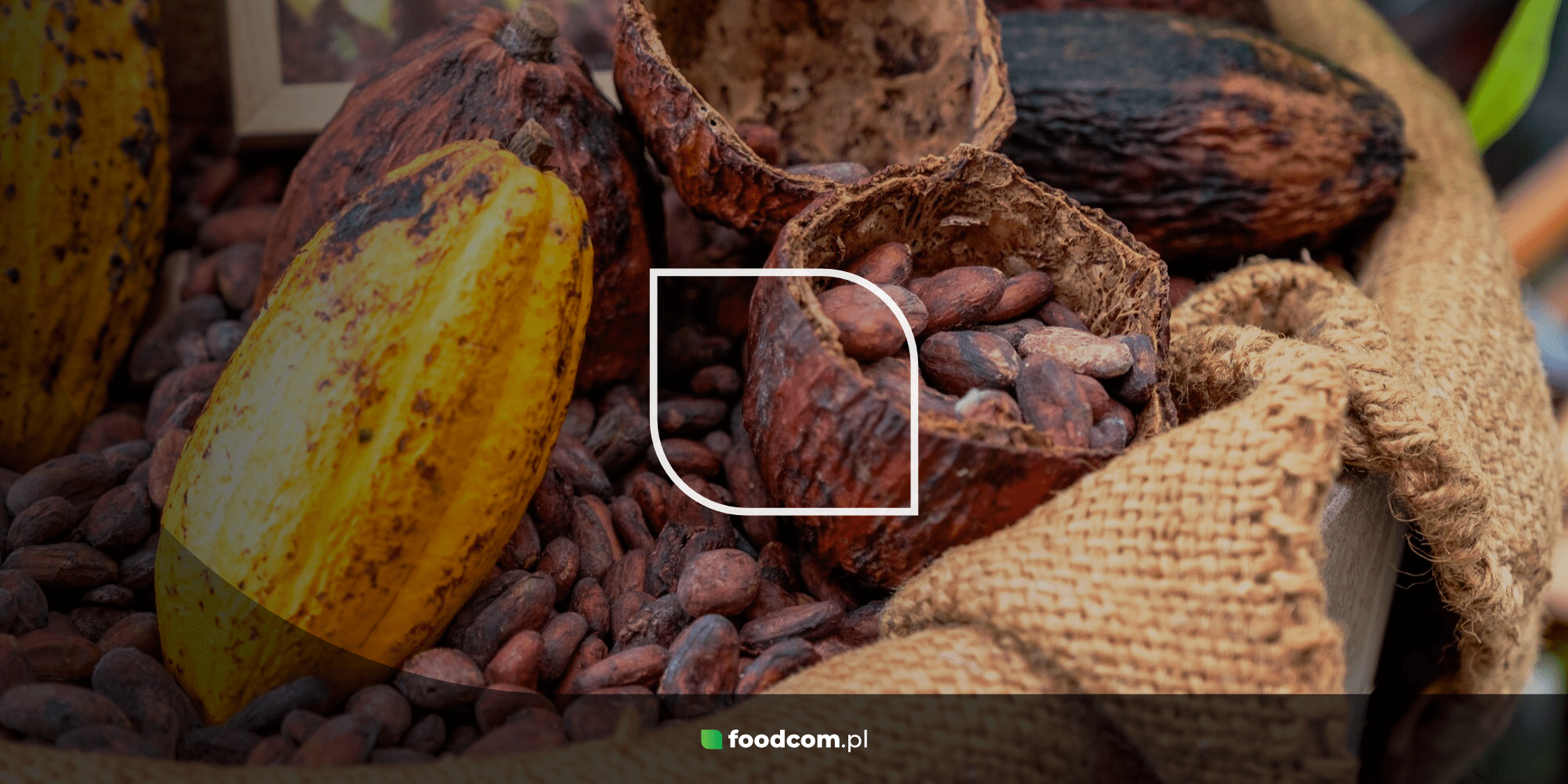
The Three Basic Varieties of Cocoa
The official classification of cacao was established in the 1940s and is based on the traditional division into three varieties. These are Criollo, Forastero, and Trinitario.
Criollo – A Rare Delicacy
Criollo is the most exclusive variety of cocoa, prized for its delicate and complex flavor and rich aroma. It is grown mainly in Central America and the Caribbean, where it originates, and was already prized by the Maya. It is characterized by low bitterness and acidity, making it ideal for the production of high-quality artisanal chocolates. Its flavor features floral, fruity, or almond notes. However, due to its low resistance to disease and demanding growing conditions, Criollo accounts for only 1 to 5% of global cocoa production. It is a highly sought-after cocoa variety, especially for ceremonial cocoa and the production of the finest chocolates. Notable Criollo varieties include Guasare, Chuao, and Porcelana.
Forastero – The Foundation of Industrial Production
Forastero is the most common cocoa variety, accounting for about 80% of global production. It is grown mainly in West Africa and South America. The Forastero variety is more disease-resistant and easier to grow than Criollo, but it has a simpler and less refined flavor: it is stronger, has an earthy aftertaste, and is more bitter; it also contains more tannins. This variety is most commonly used in the mass production of chocolate and chocolate products.
Trinitario – the Golden Mean
Trinitario is a hybrid of the Criollo and Forastero varieties, combining the best traits of both. It originated from a natural cross between the varieties on the island of Trinidad in the 18th century, when cultivation of the Forastero variety began in the wake of an epidemic that affected the Criollo variety. Trinitario is characterized by a rich aroma, a distinctive yet delicate flavor, and greater disease resistance than Criollo. It is used both in the production of high-quality chocolate and in the food industry, but it accounts for less than 10% of the cocoa harvest.
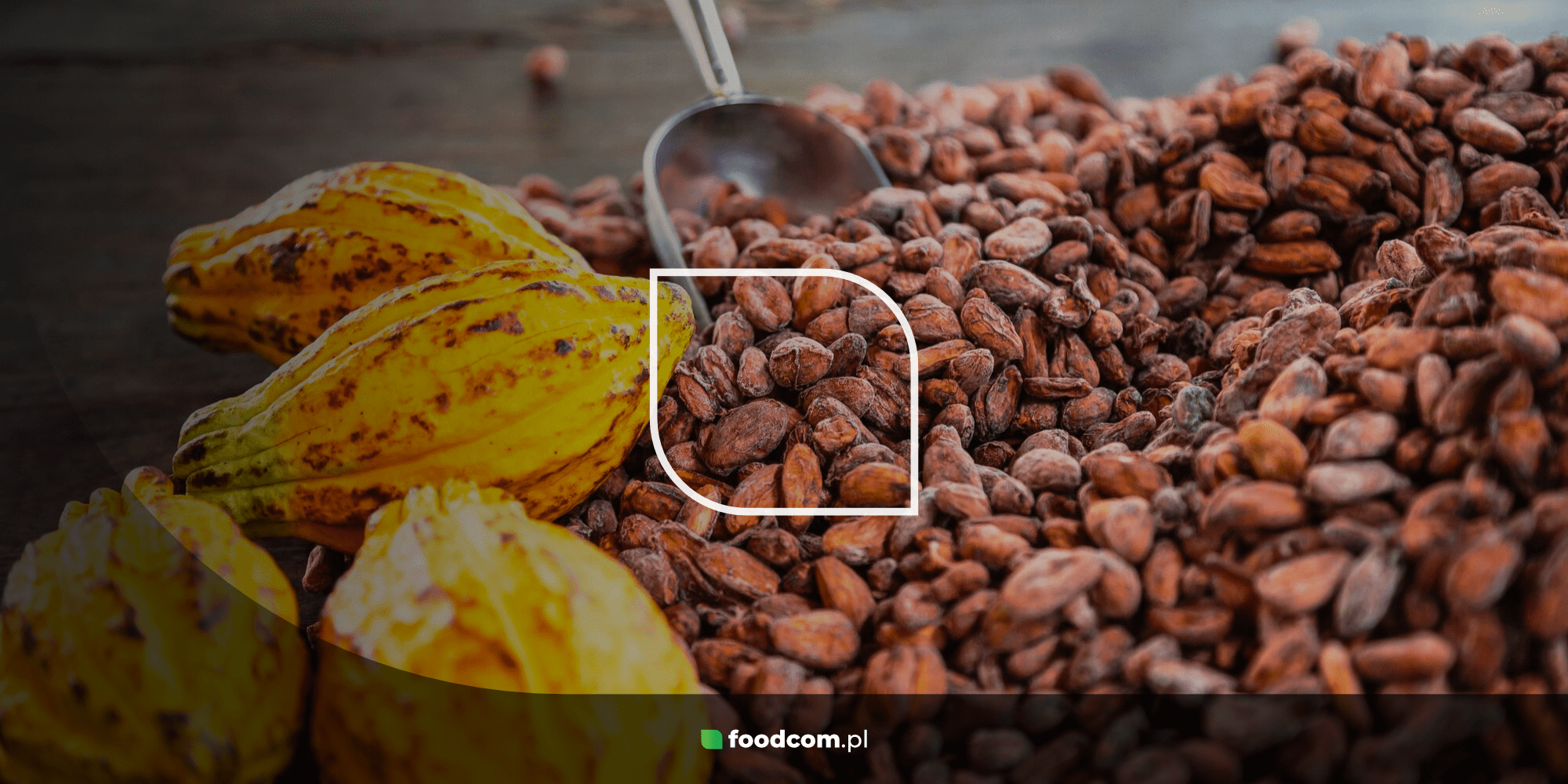
Types of Cocoa by Processing Method
Cocoa can also be classified by processing method. Ground cocoa comes in two forms: natural (unalkalized) cocoa and alkalized cocoa, which differ in color, flavor, and properties.
Non-alkalized cocoa is a pure and natural product obtained by grinding roasted cocoa beans. It is characterized by an intense, slightly tart flavor and a light brown color. It is rich in antioxidants and retains all of its natural health-promoting properties.
Alkalized cocoa (also known as Dutch cocoa) is cocoa that has undergone an alkalization process, which reduces its acidity and gives it a darker color and a milder flavor. It is more commonly used in the confectionery industry because it dissolves better in liquids and gives products a more attractive color.
Whether you are interested in milder alkalized cocoa or non-alkalized cocoa, you’ll find both forms in the product range of Foodcom S.A., which supplies a wide assortment of cocoa ingredients to meet the diverse needs of the food industry.
In addition, cocoa is available in the form of cocoa paste or cocoa mass. Cocoa mass is an intermediate product obtained by grinding roasted cocoa beans. It consists of cocoa particles and cocoa butter and is a key ingredient in chocolate and other confectionery products. Cocoa paste is produced in a similar manner; it is made by grinding raw cocoa beans without subjecting them to high temperatures or alkalization. Ceremonial cocoa is most commonly found in this form.
Cocoa comes in various varieties and forms, and the choice of a specific type is crucial to the flavor and quality of the final product. It is important to consider both the traditional distinctions between cocoa varieties and their place of origin, form, and processing method. Each type of cocoa affects the flavor, aroma, color, and application of the final product in a different way.