- Potato flakes are a versatile dried potato ingredient valued for their long shelf life and water-binding properties.
- Potato flakes production involves cooking, mashing and drying potatoes, making the finished product easier to store and transport.
- Applications of potato flakes include instant meals, bakery products, snacks and selected animal feed formulations.
- The potato flakes market is influenced by potato harvests, raw material quality and processing costs.
Potato flakes are a product with a wide range of applications in the food market. Thanks to their properties and versatility, they are used in both food processing and the animal feed sector. They are valued primarily for their ease of preparation, long shelf life, and suitability for use in various production processes.
How are potato flakes made, and what are their applications? How do they differ from other forms of dried potatoes, and what role do they play in the modern food industry?
What does the production of potato flakes look like?
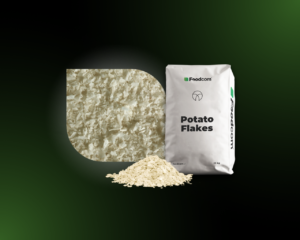
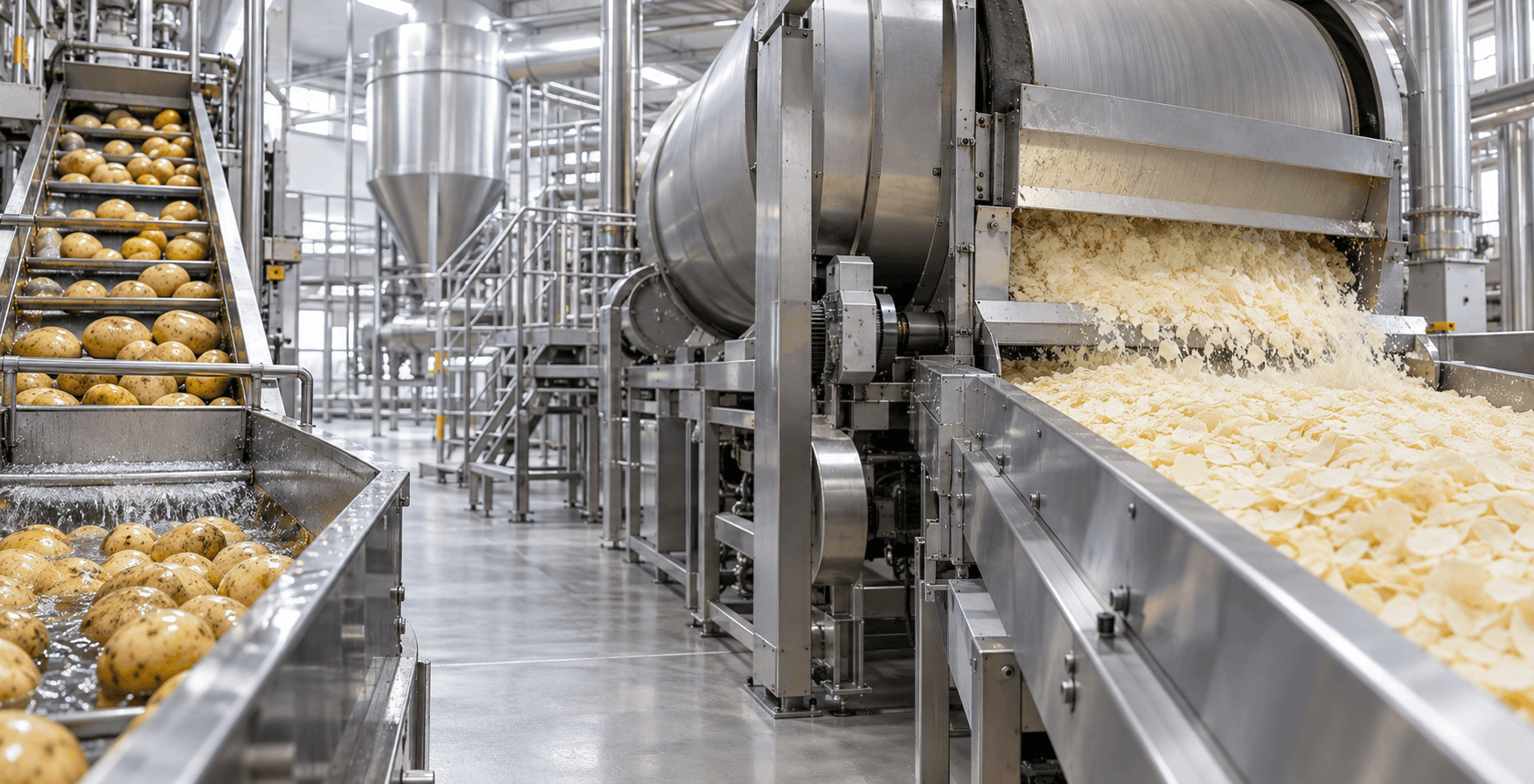
The potato flake production process consists of several stages designed to preserve the raw material’s desirable properties while extending its shelf life. After harvest, the potatoes are thoroughly washed, peeled, and then heat-treated. Once cooked, they are shredded and spread in a thin layer over the surface of a drying drum. The finished product is then separated from the drum’s surface and takes on its characteristic flake shape.
This process produces dried potatoes, which can be stored for much longer than fresh potatoes. Removing most of the water limits microbial growth and facilitates the transport and storage of the raw material.
Potato flakes are one form of dried potato, alongside granules and potato flour produced from dried potatoes. These products differ in texture, production method, and application. In the food industry, flakes are particularly valued for their ability to quickly absorb water and replicate the texture of cooked potatoes.
Manufacturers are constantly refining their production processes to obtain a raw material with consistent properties and appropriate quality. Increasing attention is also being paid to the efficient use of raw materials and minimizing losses during processing.
Properties of Potato Flakes
Dried potato flakes are distinguished by properties that make them a valued ingredient in various industries. First and foremost, they are a source of carbohydrates, and when the right amount of water is added, they produce a consistency similar to that of traditionally prepared mashed potatoes.
Another advantage is their shelf life. Thanks to the drying process, they can be stored for many months, provided proper storage conditions are maintained. Their low moisture content also reduces the product’s weight compared to fresh potatoes, which facilitates transportation and distribution.
Nutritional Value and Composition of Potato Flakes
The main component of potato flakes is starch, which serves as the primary source of energy. The product also contains small amounts of protein, fiber, and minerals, although their content depends on the potato variety and the production process.
During heat treatment and drying, some vitamins—particularly those sensitive to high temperatures—may be lost. For this reason, the nutritional value of potato flakes is not identical to that of fresh potatoes.
Water-binding capacity and thickening properties
One of the most important technological characteristics of potato flakes is their ability to rapidly absorb water. This allows them to be used as a thickening and binding agent in various food products.
Properly selected dried potato flakes help achieve the desired consistency in soups, sauces, stuffings, and instant products. These properties are particularly important in industrial production, where consistent texture and the stability of the finished product are key.
Are potato flakes healthy?
Potato flakes can be part of a balanced diet, but their nutritional value depends on the product’s composition and method of preparation. The main advantage of potato flakes without additives is their simple composition, based on potatoes that have been heat-treated and dried.
They primarily contain carbohydrates, which provide the body with energy. However, they are not a particularly rich source of protein or fiber, so it’s a good idea to combine them with other ingredients to prepare a nutritionally complete meal.
It is also important to distinguish between plain potato flakes and ready-made mashed potato mixes. Some products may contain salt, emulsifiers, spices, or other ingredients that enhance flavor and processing properties.
The drying process itself does not make potato flakes unhealthy. What matters most are their composition, portion size, and how they are used in your daily diet. Due to their high starch content, it’s also important to consider the product’s impact on blood glucose levels, especially for people who need to monitor their blood sugar.
Uses of Potato Flakes
Potato flakes are used in many sectors of the food industry. Their popularity stems primarily from their ease of preparation, versatility, and suitability for large-scale production.
Production of Mashed Potatoes and Instant Dishes
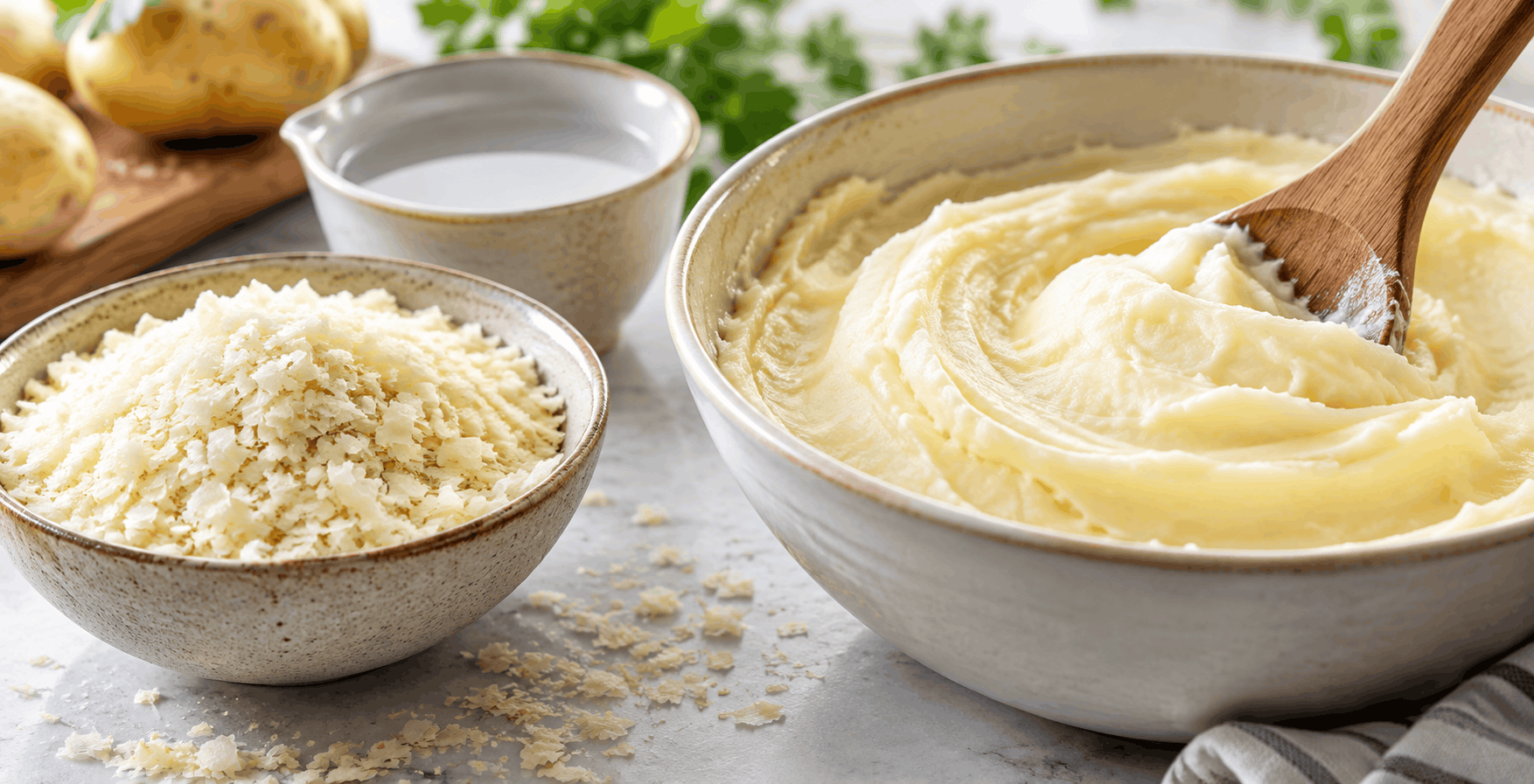
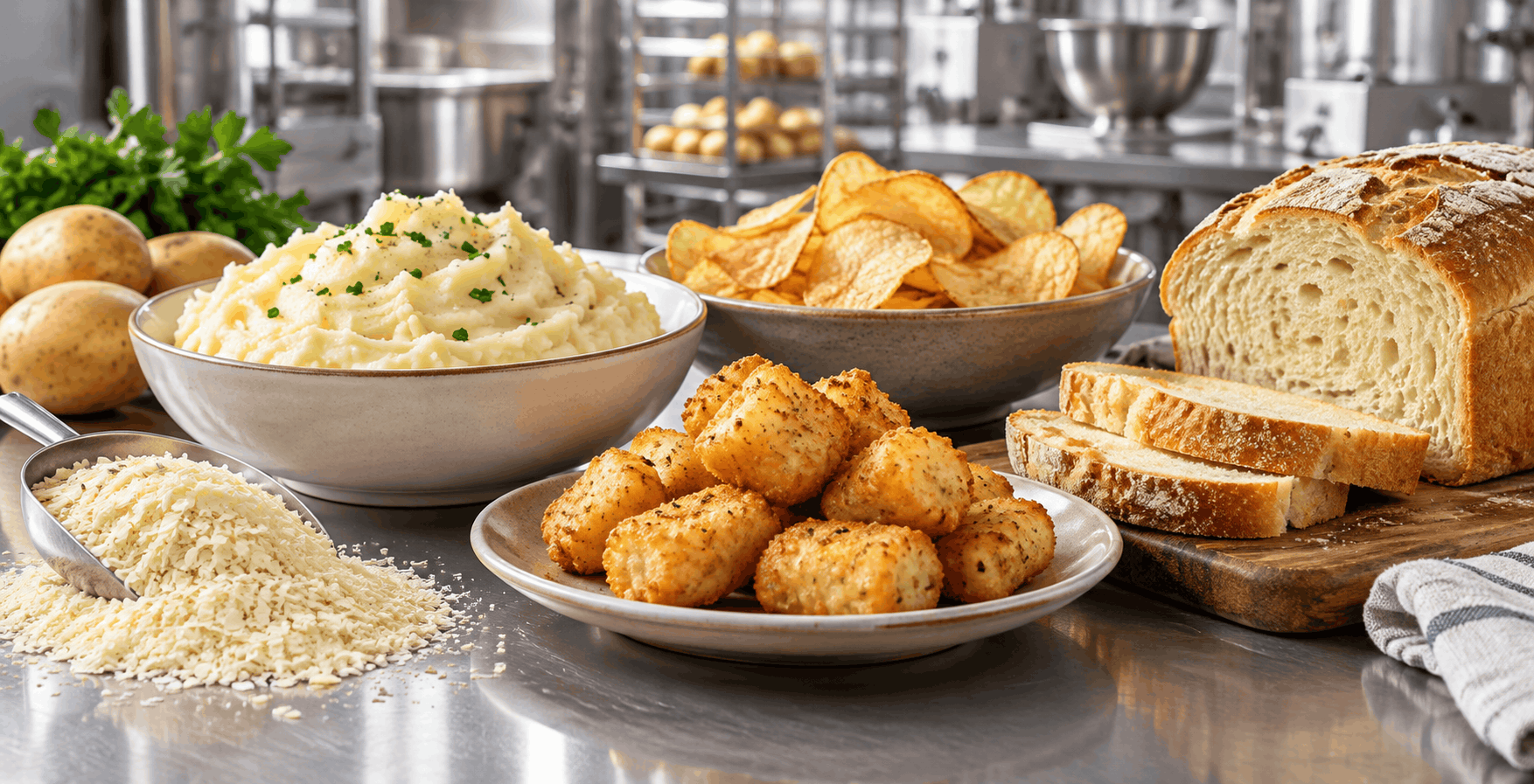
The best-known use of potato flakes is in the production of instant mashed potatoes. When water or milk is added, the dried potato quickly rehydrates and forms a mixture with a consistency similar to that of traditional mashed potatoes.
As a result, it is used in ready-to-eat meals, food mixes, and products intended for the foodservice and HoReCa sectors. It helps reduce preparation time and facilitates maintaining consistent product quality.
Applications in Baking and Snack Production
In the baking industry, potato flakes are added to bread and other baked goods to influence their texture and moisture-retention capacity. The right amount can improve the softness of the crumb and help maintain the freshness of the baked goods.
Dried potato is also used in the production of molded snacks, reconstituted potato chips, and other potato-based products. It enables the creation of a dough with properties suitable for further shaping and heat treatment.
Potato flakes in the feed industry
The use of potato flakes is not limited to food production. Suitable feed-grade raw materials can be used as an ingredient in livestock feed mixtures.
Due to their high starch content, they serve as a source of energy, and their processed form can facilitate the utilization of nutrients. However, the selection of the raw material and its proportion in the feed mixture should be tailored to the nutritional needs of specific animal species.
Potato Flake Producers
Potato flake production is an important part of the potato processing industry, particularly in countries with a well-developed agricultural and food sector. Major production areas include European countries, such as Poland, Germany, and the Netherlands, as well as other regions with adequate raw material and technological resources.
Potato flake producers supply raw materials to both the food and feed industries. Depending on the customer, the products offered may vary in flake size, moisture content, color, and the presence of processing additives.
For companies purchasing potato flakes in industrial quantities, it is not only the price and availability of the product that matter, but also the consistency of its quality parameters. A consistent composition and properties of the raw material facilitate production planning and reduce the need to make changes to recipes.
Working with an experienced supplier allows food manufacturers to gain access to raw materials that meet specific technological and logistical requirements.
The Potato Market and Its Impact on Potato Chip Production
Potato flake production is closely linked to the potato market, which plays an important role in many countries. Potatoes are among the world’s most important crops, and their harvests are significant for both the fresh produce market and the processing industry.
The availability of potatoes depends primarily on the size of the harvest, weather conditions, and the quality of the raw material. Droughts, heavy rainfall, or adverse storage conditions can limit the supply of potatoes suitable for processing, affecting the production costs of potato flakes.
Energy, transportation, and storage costs also play a significant role. The drying process requires substantial energy inputs, so changes in production costs can directly affect the prices of finished dried potato products.
International trade allows manufacturers and distributors to draw on various sources of supply, which helps mitigate the risks associated with local supply fluctuations.
Wholesale Sales of Potato Flakes
Companies engaged in the trade of food raw materials offer potato flakes in packaging tailored to the needs of industrial customers. Collaborating with an experienced trading partner facilitates the organization of purchases and ensures continuity of supply.
Foodcom S.A. specializes in the international trade of raw materials and processed products, offering a wide range of food, feed, and industrial products. The company’s product lineup also includes potato flakes, available in both additive-free and additive-containing varieties.
The product is sold in 20-kg bags, and detailed specifications can be found in the technical documentation. Thanks to its experience and extensive network of contacts, Foodcom S.A. supports companies in organizing deliveries tailored to their needs.
Outlook for the Potato Flakes Market
Potato flakes remain an important raw material for the food industry, particularly in the ready-to-eat, instant, and convenience food segments. Their technological properties make them suitable for use in both traditional recipes and new food products.
The growing importance of production efficiency and reducing food waste is driving interest in ingredients with a long shelf life. Dried potatoes allow for the use of potatoes outside the harvest season and mitigate some of the logistical challenges associated with handling fresh raw materials.
At the same time, manufacturers are paying increasing attention to ingredient quality, origin, and compliance with specifications. This also applies to potato flakes, which, depending on their application, must meet specific requirements regarding texture, moisture content, and composition.
Potato flakes are a versatile product that combines ease of storage with a wide range of applications in the food and feed industries. Their importance stems from both their technological properties and the potential for efficient utilization of potato raw materials. For companies operating in the food industry, availability, consistent quality, and partnerships with suppliers offering favorable commercial terms remain crucial.