- Yogurt is produced by fermenting milk with lactic acid bacteria.
- Production covers milk standardisation, pasteurisation, homogenisation, fermentation and cooling.
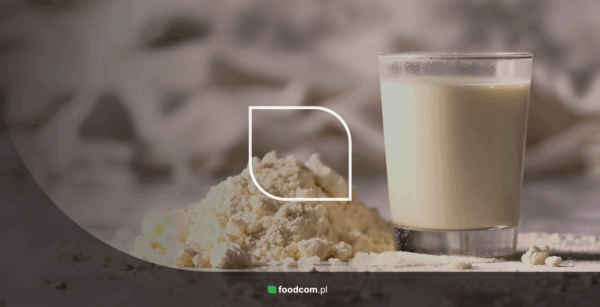
- Beyond milk, producers use milk powder and MPC and WPC protein concentrates.
- Dairy ingredient selection determines texture and protein content.
Yogurt is one of the most popular dairy products in the world. Its distinctive flavor, creamy texture, and wide range of uses have made it an important category in the food industry for years. It is produced through the fermentation of milk, during which bacterial cultures convert lactose into lactic acid.
Yogurt production requires the right combination of milk quality, carefully selected bacterial cultures, and technological parameters. Depending on the type of product, manufacturers can modify the composition and properties of yogurt by using additional dairy ingredients that affect the protein content, structure, and consistency.
What is yogurt?
Yogurt is a fermented dairy product made from milk using specially selected lactic acid bacteria cultures. The microorganisms used in production are responsible for converting lactose into lactic acid, which gives the product its characteristic slightly sour taste and affects its structure.
Traditionally, two basic bacterial strains are used in yogurt production: Streptococcus thermophilus and Lactobacillus delbrueckii subsp. bulgaricus. Their action lowers the pH of the milk and results in the formation of a characteristic protein gel, which determines the consistency of the finished product.
Depending on the technology and recipe used, various types of yogurt are available on the market—from classic plain yogurts to flavored, drinkable, and high-protein varieties.

How is yogurt made?
Yogurt production begins with the preparation of milk, which serves as the primary raw material. Its quality and composition have a significant impact on the properties of the final product. Depending on the type of yogurt, the milk may undergo standardization, which involves adjusting the fat and dry matter content to the required parameters.
The next step is milk processing, which includes pasteurization and homogenization, among other steps. Pasteurization improves the microbiological safety of the raw material, while homogenization helps achieve a more uniform texture by reducing the size of fat globules.
After the milk is prepared, lactic acid bacteria cultures are added. This is followed by the fermentation stage, during which the bacteria utilize lactose and produce lactic acid. This process results in the characteristic flavor of yogurt and thickens the product’s texture.
Once fermentation is complete, the yogurt is cooled to halt further acidification. It can then be enriched with additives such as fruit, flavorings, functional ingredients, or additional sources of protein, depending on the type of product. The final step is packaging and preparation for distribution.
What is yogurt made of? Yogurt ingredients
The primary ingredient in yogurt is milk, which provides protein, fat, lactose, and minerals. However, the exact composition of the product depends on its type and intended use.
Classic yogurt primarily contains:
- milk or milk ingredients,
- milk proteins,
- milk fat,
- lactose,
- live yogurt cultures.
In industrial production, additional milk ingredients are also used to help determine the product’s characteristics. Powdered milk can be used to increase dry matter content, improve consistency, and achieve the desired texture.
In the case of high-protein yogurts, milk protein concentrates such as MPC (Milk Protein Concentrate) and WPC (Whey Protein Concentrate) are becoming increasingly important. They help increase the protein content of the product and meet the growing demand for protein-rich products.
Types of Yogurt
Yogurts differ in their composition, consistency, and production method.
Plain yogurt is made without added flavorings and best highlights the character of the milk and the effects of fermentation.
Fruit and flavored yogurts contain additives to enhance the taste, such as fruit, purees, flavorings, or other ingredients.
Drinking yogurts have a more liquid texture, making them suitable for direct consumption as a beverage.
High-protein yogurts are characterized by an increased protein content, which is achieved through the selection of appropriate dairy raw materials and production technologies.
Greek-style yogurts are distinguished by a thicker, creamier consistency, often achieved by increasing the dry matter content or removing some of the whey.

The Role of Dairy Ingredients in Yogurt Production
The proper selection of dairy ingredients is crucial to the quality of yogurt. In addition to milk itself, manufacturers may use additional ingredients that allow them to control the properties of the final product.
Milk proteins influence the structure of the gel formed during fermentation, as well as the creaminess and mouthfeel of the product. Increasing their content is particularly important for high-protein yogurts.
Milk powder and milk protein concentrates help increase the dry matter content and improve the product’s stability. This allows manufacturers to achieve the desired consistency without altering the yogurt’s fundamental character.
Milk fat, on the other hand, is responsible for a richer flavor and creamy texture. Its content is one of the factors determining the product’s final sensory properties.
Is yogurt healthy?
Yogurt can be a valuable part of the diet thanks to its protein, calcium, and other minerals naturally present in milk. The fermentation process affects the product’s properties and is responsible for its characteristic flavor and texture.
However, the nutritional value depends on the type of yogurt. Plain yogurts typically have a simpler composition, while flavored yogurts may contain additional ingredients, such as sugar or substances that affect the taste and texture.
High-protein yogurts may be of particular interest to those seeking products with a higher protein content. The final composition, however, depends on the recipe and the raw materials used.
What determines the quality of yogurt?
The quality of yogurt depends on many factors, including both the raw materials and the production process itself. The most important factors are:
- the quality of the milk used in production,
- protein and fat content,
- the selection of bacterial cultures,
- fermentation parameters,
- storage conditions.
Controlling the fermentation process is particularly important. If it lasts too short or too long, it can affect the product’s taste, acidity, and texture.
Yogurt Production in the Food Industry
Yogurt production requires a precise combination of appropriate dairy raw materials, bacterial cultures, and technological parameters. Every stage of the process affects the final quality of the product—from its taste and consistency to its stability during storage.
For food manufacturers, both the properties of the base milk and the functionality of the dairy ingredients used are important. The right selection of raw materials allows for the creation of products tailored to various market segments, including plain, flavored, and high-protein yogurts.
Foodcom S.A. supplies dairy ingredients used in food production, supporting manufacturers in selecting raw materials appropriate for their production processes and product requirements.

![WPI Market Overview 2026 [Global Report]](https://foodcom.pl/wp-content/uploads/2025/03/Global-Report-szablon-pod-bloga-600x300.png "WPI Market Overview 2026 [Global Report]")