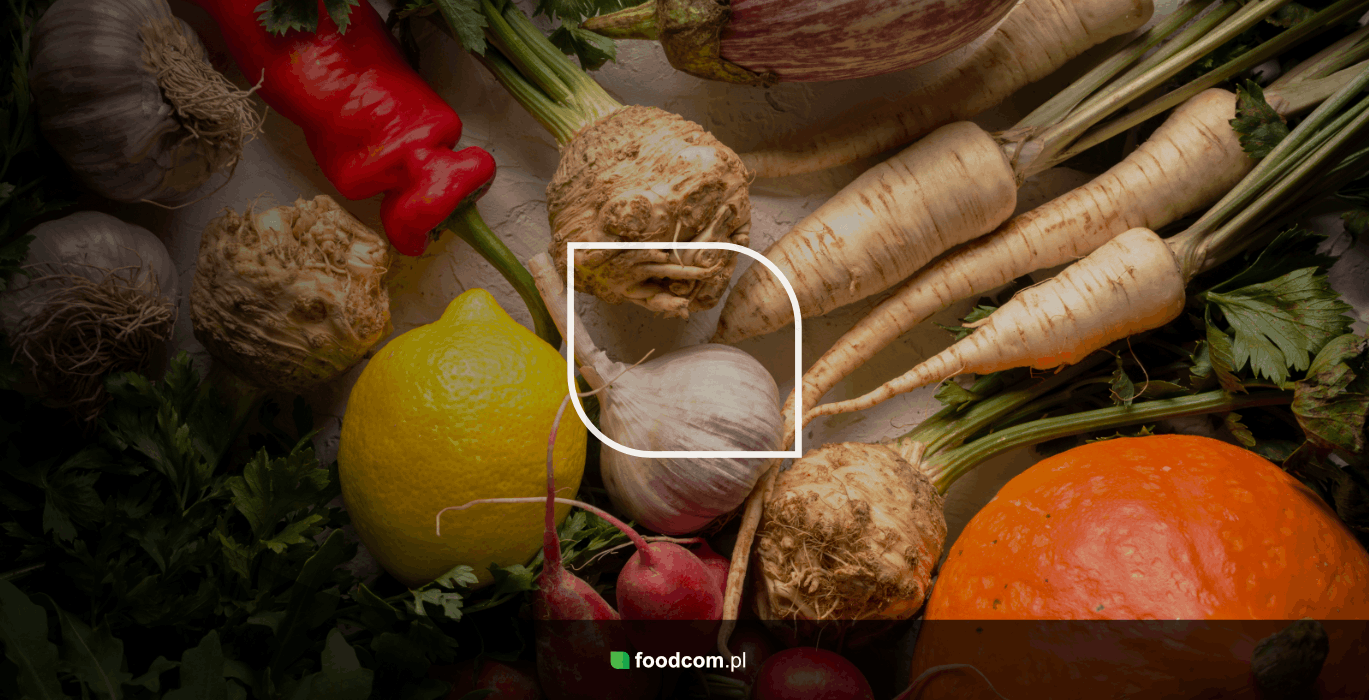
- Organic products are entering the mainstream and entering mass distribution.
- Organic certification is increasingly becoming a prerequisite for establishing business partnerships.
- Demand for organic products is growing faster than the availability of certified raw materials.
- The organic trend is becoming a key factor in competitiveness within the food industry.
Until recently, organic products were considered a fad reserved for a small group of “conscious consumers” willing to pay more for their health and for ideological reasons. Today, certified ingredients are finding their way onto discount store shelves, and “organic” is ceasing to be a niche market and becoming the industry standard. Across Europe, demand for organic raw materials is growing, and producers and processors must adapt to the new expectations of retailers and industrial customers.
Organic Enters the Mainstream
In 2023, the value of the organic market in Europe exceeded $50 billion and continues to grow at a rate of over 10% annually. Germany remains the leader, but France, the Netherlands, and the Nordic countries are also growing rapidly. Organic products are gaining ground not only in the retail channel. Chains such as Carrefour and Biedronka are increasingly developing their own private-label brands based on certified ingredients. “Eco” is no longer just a marketing gimmick; it is an element of customer loyalty strategies and a tool for implementing ESG policies.
Certification Is Becoming a Prerequisite
The changing purchasing expectations of retail chains and processors are putting real pressure on suppliers. Increasingly, organic certification is no longer a competitive advantage but is becoming a starting point for discussion.
“Just a few years ago, companies would first look for the cheapest raw materials and only then ask about certifications. Today, it’s the other way around—organic certification has become a prerequisite before anyone even asks us for a quote. We see this very clearly in inquiries from Germany, France, the Netherlands, Bulgaria, and Spain. If a raw material doesn’t have complete organic certification, the customer simply won’t continue the discussion, regardless of price or quality,” says Marcin Stradowski, Partner at Foodcom S.A.
These expectations apply not only to food products but also to processing aids, feed ingredients, and raw materials for dietary supplements. Full compliance with local and EU standards, a transparent supply chain, and the ability to document the origin of each batch are required.
Bottlenecks in the organic market
Rising demand does not mean there are no barriers. One of the key constraints remains the low availability of certified raw materials, especially in the dairy sector and for specialty additives. In the United Kingdom, the number of certified farms is declining, partly due to costs and regulatory instability. Similar trends are also observed in Central Europe.
Although an organic certification issued in one European Union country is formally valid throughout the EU, in practice some importers or retail chains may require additional documentation, such as regarding labeling, traceability, or compliance with local standards. This prolongs the product launch process and generates additional operating costs.
In the B2B sector, price differences also remain a barrier. While retail consumers are increasingly willing to pay more for organic products, for industrial buyers, price is still often the deciding factor, especially for large volumes.
On top of all this is the risk of greenwashing. The rise in eco-friendly popularity means that products of questionable compliance with standards are entering the market. This, in turn, necessitates a more thorough audit of documentation, including environmental footprint assessments.
“Bio” is not a differentiator—it’s a prerequisite
Organic components are increasingly determining which companies will be invited to negotiate with key customers, particularly in export markets. For many companies, this is a moment of strategic choice: invest in compliance and transparency, or be excluded from this growing segment.
Adapting to this new reality often means overhauling procurement policies, reallocating supply sources, and developing partnerships with certified producers. The organic trend has shifted from consumer decisions to business decisions and is becoming a pillar of competitiveness in the food sector.
References: https://ekoordynacja.pl/