- Acidity regulation and pH stabilisation.
- E500b leavening action in food production.
- Applications in food, cosmetics, pharmaceuticals and chemicals.
- Consistent quality and reliable industrial supply.
Sodium bicarbonate is a versatile chemical compound used in the food, pharmaceutical, and cosmetics industries, as well as in many industrial processes. Commonly known as baking soda, it is used wherever its buffering, neutralizing, and leavening properties are important. As a food additive, it is designated by the code E500b and has remained one of the most commonly used ingredients in food production for many years.
What is sodium bicarbonate?
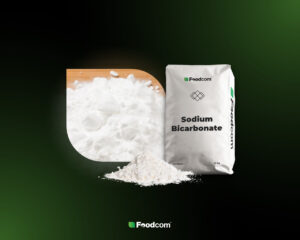
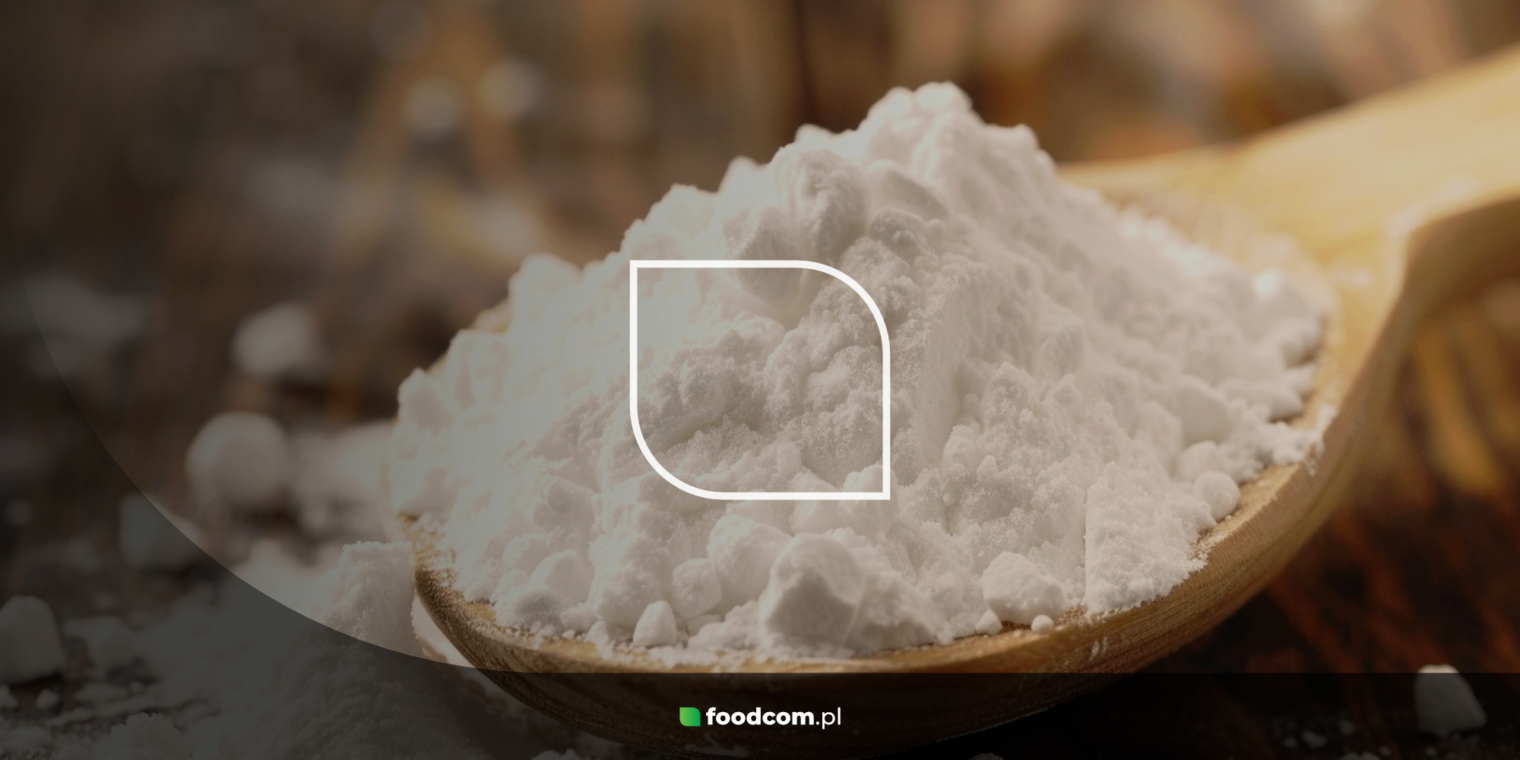
Sodium bicarbonate (NaHCO₃) is an inorganic chemical compound classified as a bicarbonate. At room temperature, it occurs as a fine, white, odorless powder that is highly soluble in water. It has a slightly alkaline pH and the ability to react with acids, resulting in the release of carbon dioxide. It is this latter property that makes the product widely used as a leavening agent in baking, an acidity regulator, or an ingredient in cleaning products.
In many industries, sodium bicarbonate also serves as a pH stabilizer, which helps maintain the proper parameters of technological processes. Although most consumers know it primarily as baking soda used in the kitchen, in industry it serves as a high-quality industrial raw material with a much broader range of applications.

How is sodium bicarbonate produced?
Industrial production of sodium bicarbonate is primarily based on the Solvay process—one of the most important methods for producing sodium compounds used worldwide. The process uses rock salt, ammonia, and carbon dioxide, making it possible to obtain a product of high purity with consistent specifications. The product is then purified, dried, and subjected to quality control. Depending on the intended application, it can meet the requirements of the food, pharmaceutical, chemical, or cosmetics industries. Modern production facilities use advanced process control systems that ensure consistent physicochemical parameters and compliance with international quality standards.
Key Properties of Sodium Bicarbonate
The popularity of sodium bicarbonate stems from its combination of safety in use with a very wide range of physical and chemical properties. Depending on the industry, it can perform various technological functions while maintaining high effectiveness. Its most important properties include:
- the ability to neutralize acids,
- buffering properties and pH stabilization,
- the release of carbon dioxide during reactions with acids,
- good solubility in water,
- high chemical purity,
- safety of use in accordance with applicable standards,
- broad compatibility with industrial processes.
Applications of Sodium Bicarbonate in Various Industries
Its numerous applications make sodium bicarbonate widely used across many sectors of the economy. Thanks to its chemical properties, it can serve as a processing aid, acidity regulator, cleaning agent, or an ingredient that supports manufacturing processes.

Food Industry
One of the most important areas of application for NaHCO₃ is the food industry. As E500b, it functions as an acidity regulator and leavening agent. When combined with acidic ingredients, it releases carbon dioxide, giving dough and baked goods the proper structure and volume. It is used, among other things, in the production of:
- bread and confectionery products,
- baking powders,
- cookies and crackers,
- ready-to-use baking mixes,
- beverages, and products requiring pH adjustment.
Due to its high quality and consistent properties, sodium bicarbonate is one of the key ingredients used as a baking ingredient by food manufacturers.
Cosmetics Industry
In the cosmetics industry, NaHCO₃ is used as an ingredient in skincare products and hygiene preparations. It regulates pH, supports the stability of formulations, and is used in select skincare and oral care products. Due to its properties, it is one of the valued ingredients used in the category of cosmetic raw materials intended for cosmetics manufacturers.
Pharmaceutical and Chemical Industries
In the pharmaceutical industry, sodium bicarbonate is primarily used as an ingredient in formulations that help regulate pH, as well as in selected medicinal products and dietary supplements. In the chemical industry, it is used in neutralization, purification, and the preparation of various types of industrial mixtures. It is also used in water treatment, system cleaning, and processes requiring a safe agent with alkalizing properties.
The Importance of Sodium Bicarbonate Quality in Industrial Processes—What to Look For?
Although the product’s chemical composition remains the same, individual batches may differ in purity, particle size, or intended use. In industrial applications, this directly affects the stability of the production process and the quality of the finished product. When selecting a supplier, you should pay particular attention to:
- the product’s compliance with applicable standards,
- availability of quality documentation,
- consistency of parameters,
- safety of transport and storage,
- the ability to deliver in packaging tailored to the plant’s needs.
Where can you buy sodium bicarbonate?
It’s best to plan your purchase with the product’s intended use in mind. For food, cosmetics, or chemical production, quality, proper specifications, and a reliable source of the raw material are of paramount importance. There are many distributors on the market that specialize in supplying industrial products. One of them is Foodcom S.A., which offers a wide selection of ingredients used by manufacturers across various economic sectors.
Sodium Bicarbonate as a Reliable Ingredient in Manufacturing Processes
Sodium bicarbonate is one of the most versatile raw materials used in modern industry. It combines high purity, safety in use, and a wide range of applications, making it suitable for use in the production of food, cosmetics, pharmaceuticals, and many technological processes.
Known as baking soda, it remains an indispensable ingredient in many formulations and production processes. Careful selection of the right raw material quality helps increase production efficiency, maintain consistent parameters, and meet the requirements of applicable quality standards. Therefore, before making a purchase, it is advisable to clearly define the product’s intended use and select a trusted supplier who can ensure the appropriate specifications and consistent supply.