- Warehouse processes encompass the stages from receiving goods, through storage, to shipping—all of which are critical to logistics.
- Proper warehouse management helps optimize space, minimize costs, and improve service quality.
- Modern technologies, such as WMS systems and automation, increase the efficiency of warehouse operations.
- Challenges include managing space and personnel, as well as adapting to market changes.
Warehouse processes—which are part of warehouse logistics—impact the functioning of the entire supply chain. If a warehouse is managed properly, it helps maintain appropriate inventory levels, minimize storage costs, and improve customer service. Warehouse processes consist of a series of stages, from receiving goods to shipping them out. Each phase of warehousing requires proper execution and organization. Understanding each stage makes it possible to improve the quality of all processes and increase efficiency.
Phases of the Warehousing Process
In every warehousing process, there are several specific phases of operation, and carrying them out properly is crucial for the warehouse’s operation and the handling of goods. Although the exact organization of these activities depends on the specific nature of the stored products and the company, the general structure of the process is similar.
Receiving Goods
The first step in warehousing is receiving goods into the warehouse. At this stage, it is essential to verify that the delivered goods match the order and shipping documents, and to inspect the condition of the goods. Quality control may be performed during this phase, especially for food products or medications. Upon arrival, the goods are entered into the internal warehouse system, which enables tracking.
Quality Control and Sorting
After receiving the goods, their quality is inspected. This involves examining physical characteristics, the product’s appearance, the expiration date, and the condition of the packaging. Goods can be sorted based on various factors, such as intended use or size. This is done to facilitate handling and speed up the storage process.
Storing Goods
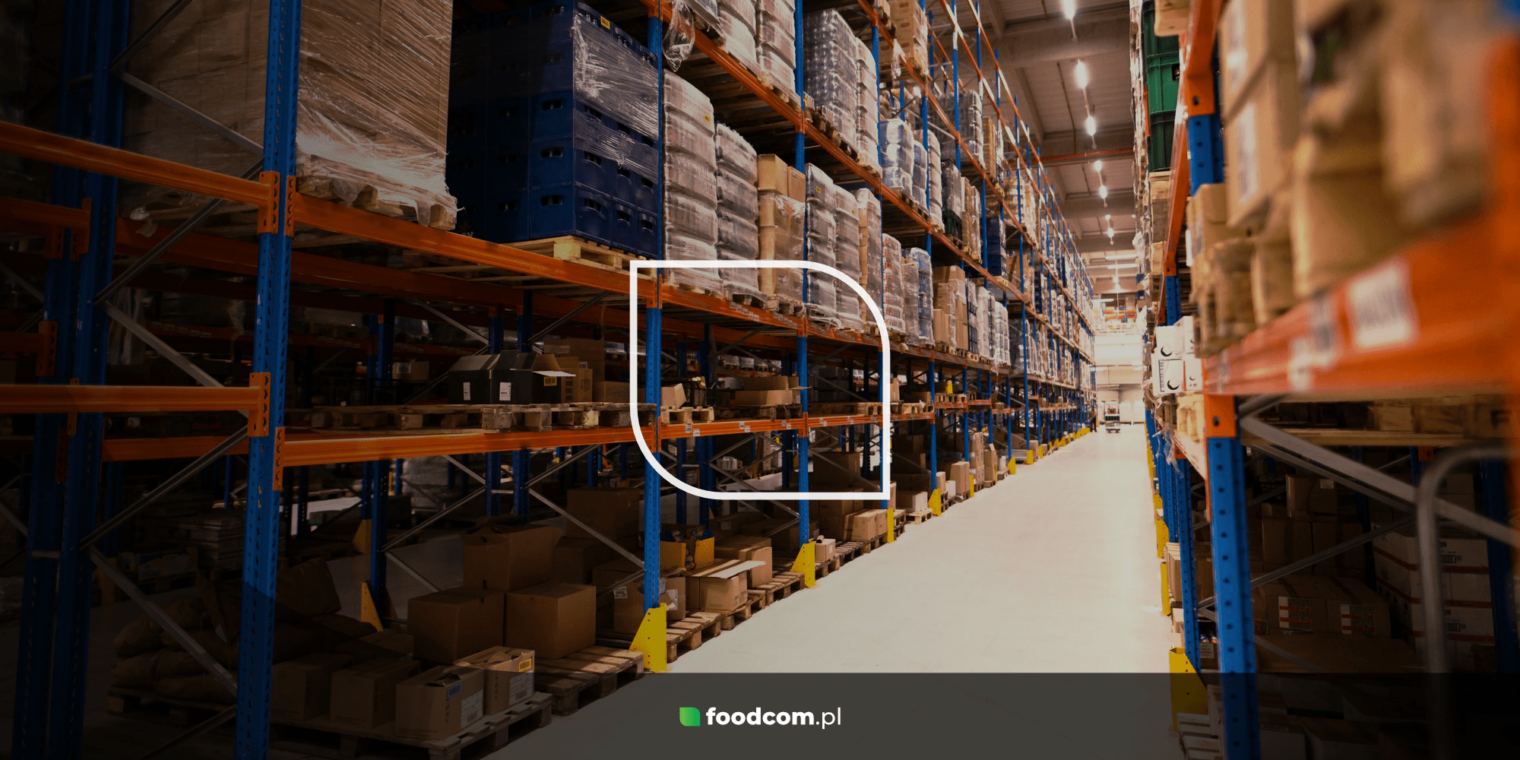
The storage process is very important because it determines how efficiently we use warehouse space. Goods must be placed in the appropriate locations within the warehouse, depending on what they are, their size, and their storage requirements—such as temperature or humidity. In large warehouses, there are several methods for storing items, such as high-rack shelving or automated storage systems.
Order Fulfillment
Order fulfillment is a key part of customer service. Warehouse staff pick items according to the order, preparing them for shipment. This step can be done manually—though it requires special focus and accuracy—or using advanced machinery, which significantly streamlines and improves the operation.
Packaging and Shipping
Once all the items ordered by the customer have been picked, the next step is to package and secure the products for shipment. The goods must be properly packaged, labeled, and prepared. To ensure that the goods remain safe during transport, it is important to secure them properly. Depending on the industry and the type of products, packaging may require special protective materials, such as bubble wrap, Styrofoam, or large cardboard boxes.
Release of Goods
The final phase of the warehousing process is the release of goods. This is the stage at which goods are handed over for transport or pickup. The release of goods involves a check to ensure that the order has been fulfilled in accordance with the documentation. Modern WMS systems enable real-time tracking of goods, which allows for faster and more accurate order fulfillment.
Goods Storage vs. the Warehousing Process
Goods storage is a process encompassing all activities related to receiving, storing, picking, packing, and dispatching goods. In this broader context, the storage process is one of the most important stages, influencing the organization of work in the warehouse. Storing goods requires precise space planning and ensuring appropriate conditions for different types of goods.
Storage can involve various methods, depending on the characteristics of the goods being stored. For large-sized products or those stored in large quantities, racking systems are used, while for smaller items or those with higher turnover, automated solutions such as forklifts or pallet racks are employed. Proper warehouse organization not only allows for optimal use of space but also ensures quick access to goods when they need to be retrieved.
Challenges of Warehouse Operations
Despite advanced technologies, warehouse operations present many challenges. One of the main issues is managing warehouse space, particularly in large facilities. Effective use of space requires precise planning and adapting storage methods to the type of goods being stored.
Another challenge is managing warehouse staff. Warehouse employees must be properly trained to ensure that warehouse processes run smoothly and without errors. The need to adapt to changing market conditions, as well as the implementation of new technologies, are further challenges that companies must face.
Summary
Efficient warehouse processes are crucial for the effectiveness of logistics and supply chain management. Every stage of the process—from receiving goods, through storage, to shipping—requires diligence and proper management. Thanks to modern technologies, such as WMS systems and process automation, companies can significantly improve the efficiency of their warehouses.
An example of a company that successfully implements modern warehouse solutions is Foodcom S.A.—a leader in the food industry. Thanks to advanced warehouse management systems, Foodcom S.A. ensures high-quality customer service and optimizes its warehouse processes. Such innovations make it possible to increase efficiency and shorten order fulfillment times, which translates into better business results and customer satisfaction.