
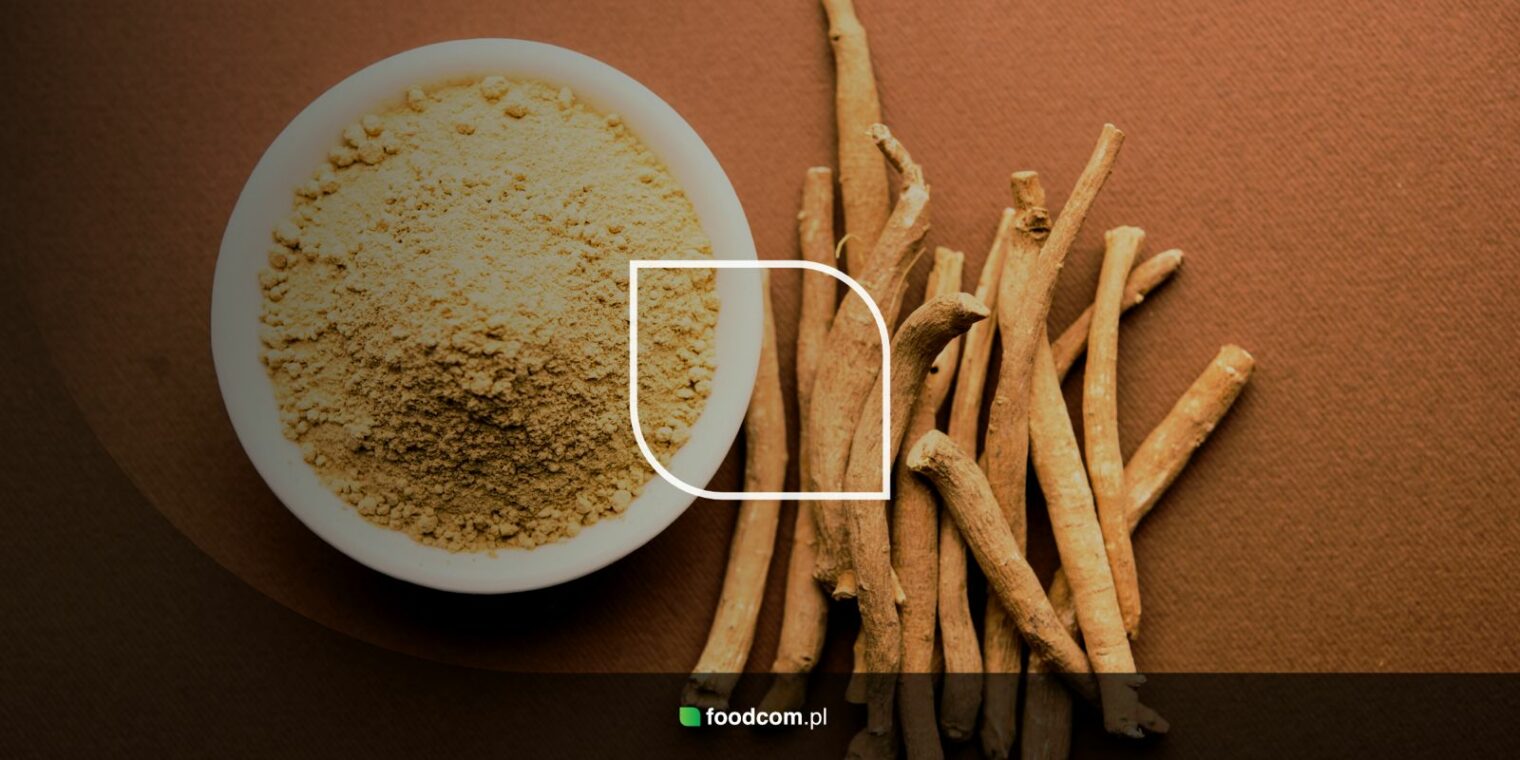
- Ashwagandha or Indian ginseng is the name of an adaptogenic plant with beneficial effects on the body.
- It comes in the form of powdered root, dried or extract.
- Ashwagandha has a number of positive effects on the body, including stimulating the immune system, boosting energy, reducing stress, increasing endurance, supporting cognition and treating a wide range of conditions.
- Ashwagandha has been used for years in Ayurveda, but nowadays it is often found as an ingredient in dietary supplements mainly aimed at reducing stress.
In recent years, the use of Ashwagandha as an ingredient in dietary supplements and cosmetics has become popular. This is because Ashwagandha can have a positive effect on the body and support the treatment of various conditions. In the following article, you will learn what Ashwaghanda is, how it works, where it can be used, as well as how it is produced and how to choose preparations with Ashwaghanda so that you can be sure of their safety and effectiveness.
What is Ashwagandha?
Ashwagandha is the name used for the plant also known as sluggish vitania or Indian ginseng, less commonly as winter cherry or sleeping sickness (Withania somnifera L.). The plant is categorised as an adaptogenic plant, i.e. a plant that has a beneficial effect on health – it helps the body to adapt to difficult environmental conditions, has an adaptogenic effect, reduces the effects of stress, increases resistance to fatigue and disease.
This effect is influenced by dozens of biologically active substances contained in the plant. These are mainly vitanolides – steroidal lactones and alkaloids, but also: saponins, tannins, flavonoids, glycosides, sterols or coumarins. They are mainly found in the roots of the plant, and in smaller quantities also in the leaves, stems and fruits.
Indian ginseng naturally occurs in dry areas of tropical and sub-tropical climates, so mainly in Africa, Asia (including, as the name suggests, India and Sri Lanka) and southern Europe, in the Mediterranean area. It can also be found in high mountainous areas, such as the Himalayas.
Ashwagandha is found in the form of a shrub, from which the roots and fruit are mainly used. They have been used for many years in Indian folk medicine (Ayurveda) and now also as ingredients in dietary supplements, food additives and medicines. Other herbs and plants containing biologically active substances are also used in this way – examples include: CBD from hemp, caffeine from coffee beans, cinnamaldehyde from cinnamon bark and camphor or carvacrol, which is a component of essential oils extracted from oregano, thyme or thyme.
What properties does Ashwagandha have and how does it work?
- stress reduction (lower levels of tribulin and cortisol associated with feelings of stress and anxiety);
- positive effect on the nervous system;
- improving sleep quality;
- increase the body’s tolerance to exercise and improve resistance to fatigue, as well as speeding up muscle recovery after exercise;
- lowering blood glucose levels and regulating insulin, glycated haemoglobin and glycogen levels;
- lowering cholesterol levels and improving other lipid parameters;
- improving cognitive function and concentration;
- positive effect on the immune system – immunomodulatory action (increased production and activity of macrophage immune cells, inhibition of inflammation, regulation of cytokine expression, inhibition of growth of Gram-negative and Gram-positive bacteria, viruses, fungi and some parasites);
- support of fertility and sexual function (increase in testosterone levels, sperm motility and concentration, semen volume, libido levels);
- antioxidant (reduction of free radical production, minimisation of DNA damage), anti-inflammatory (regulation of the production of inflammatory markers), anti-bacterial and anti-cancer effects;
- relief of menstrual pain and menopausal symptoms;
- supporting the treatment of cancer and neurodegenerative diseases (Alzheimer’s, Parkinson’s, Huntington’s disease and epilepsy, by: protective effects on nerve cells, initiation of neurite regeneration, regulation of acetylcholinesterase, butyrylcholinesterase, dopamine, catecholamine and GABA activity);
- alleviating symptoms of inflammatory bowel disease (when administered as a rectal gel, Ashwagandha resulted in reduced swelling and infiltration of neutrophils and accelerated mucosal recovery);
- reduction of proteinuria and inhibition of renal inflammation;
- protective effect on the heart (ensuring oxidative balance of cardiomyocytes, regulation of blood cell production).
Indian ginseng is used for people under stress, who have problems sleeping, relaxing and maintaining emotional balance. It can also help with states of weakness and fatigue and support performance in physically active people. To observe the positive effects of Ashwagandha, it should be taken regularly over a long period of time.
Be aware that the plant may produce side effects, such as gastrointestinal disorders or effects on liver function, but this is rare. It can also interact with some medications, so it is a good idea to consult your doctor before using it. Particular caution should be exercised in people with conditions such as hyperthyroidism, hormone-sensitive prostate cancer, diabetes mellitus, hypertension, autoimmune diseases, as well as in children, pregnant and breastfeeding women, and in those taking drugs that affect the nervous system (anti-anxiety, sleep or sedative drugs) and immunosuppressants.
Indian ginseng – uses
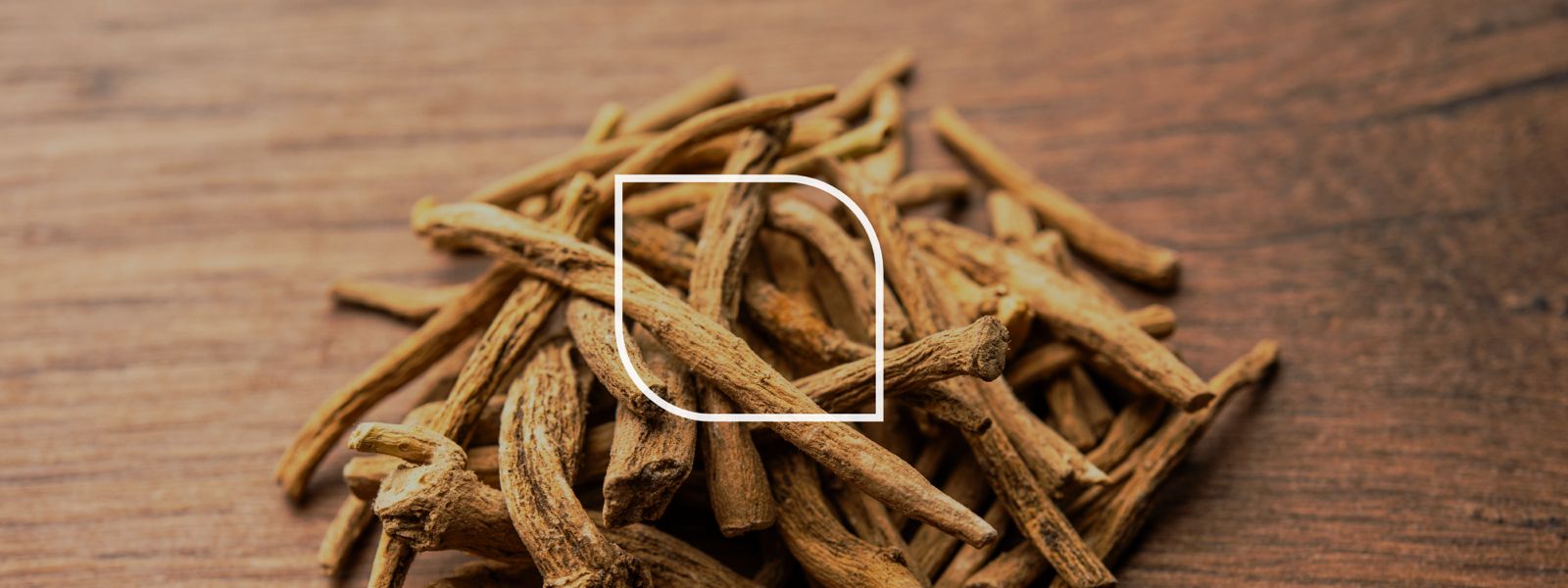
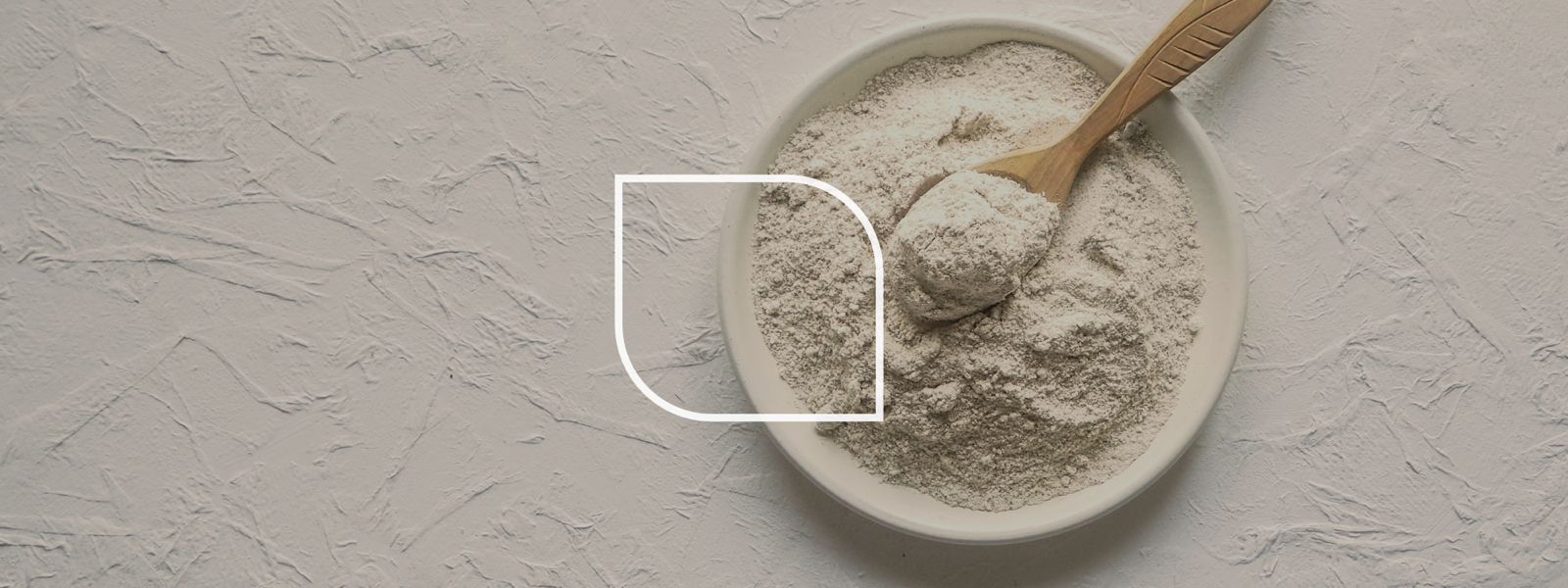
Ashwagandha has historically been used in the form of infusions, decoctions, pastes or juices, but today it is mainly found in the form of an extract or powdered root. In this form, it can be used in cosmetics or dietary supplements in tablet or capsule form. Dried Ashwagandha can also be found in Ayurvedic teas, from which an infusion can be prepared, and in powder form, which can be added to meals or smoothies. In Ayurveda, the fresh root of the plant is often boiled in milk or water with the addition of honey.
Production of food supplements
Ashwagandha is best known for being an ingredient in dietary supplements. It is often combined with magnesium or vitamin B6, which show similar nervous system support effects. It may also be accompanied by the addition of extracts of other adaptogenic plants, such as Chinese citronella, rhodiola rosea or ginseng. Other supportive substances, such as black pepper to improve the absorption of active substances from the extract, may also be added to dietary supplements containing Ashwagandha.
Most commonly, the powdered root of the plant or the root extract is used in dietary supplements. The daily dose should not exceed 3 g of such extract and 10 mg of the vitanolides contained therein. The most common dose is 300 mg of the extract taken 1-2 times a day or a single dose of 500 mg. It is important that the Ashwagandha extract contained in the supplement is standardised to a specific vitanolides content – from 1.5% to as much as 35%, usually 5-7%.
It is also possible to use powdered Ashwagandha root or leaves as a decoction. Increasingly, Ashwagandha is also found in the form of an oil – an aqueous-alcoholic extract of the plant’s root.
Ashwagandha in cosmetics
Ashwagandha can prevent tooth decay and can therefore be used as an ingredient in toothpaste. It is also an ingredient in face creams, conditioners, shampoos or tonics. It shows nourishing, cleansing, moisturising and anti-ageing effects. The antibacterial and anti-inflammatory effects of Ashwagandha are particularly useful in facial skin cleansing preparations.
Ashwagandha trade and producers
Ashwagandha in dietary supplements is most often found in the form of a standardised extract of the plant’s roots. An example is the best-known standardised KSM-66 extract produced by Ixoreal Biomed. It is considered highly concentrated and effective due to the extraction of Ashwagandha by a patented process that preserves the full spectrum of active compounds found in the plant.
Other plant extracts are often derived from the root and leaves of the plant and therefore contain lower concentrations of vitanolides and other active substances. Such well-known Ashwagandha extracts are Sensoril and Shoden, which contain different active substance profiles compared to KSM-66, and thus may also manifest slightly different effects. Sensoril is produced by Natreon, while Shoden is produced by Arjuna Natural. Both extracts are clinically tested and highly purified. Shoden is additionally enriched with 35% viologen glycosides, which enhances its effect. Other well-known manufacturers of Ashwagandha extracts are AshwaMind and Process Agrochem Industries.
What to look out for when buying Ashwagandha?
When buying dietary supplements containing Ashwagandha, we need to be aware of the origin of the substance. It is therefore necessary to bet on proven manufacturers and distributors, such as Foodcom S.A.. A guarantee of quality and safety is also provided by purity tests, which prove that the tested plant extracts are free from microbiological contamination or the presence of heavy metals. It is also important that the production processes are properly monitored, as evidenced by the attestations and certificates held by the manufacturer.