- Global coffee production recovered in 2026, ending four consecutive seasons of supply deficits.
- Low Arabica inventories continued to influence prices, while stronger Robusta supply eased market pressure.
- Brazil and Vietnam continue to play a crucial role in shaping global coffee supply and prices.
- Record production forecasts point to improving market conditions in 2027, although weather risks and changing trade regulations remain key uncertainties.
After several years of raw material shortages, sharp price increases, and unpredictable harvests, the global coffee market began to recover. In 2026, production increased, exports accelerated, and pressure on international supply chains gradually eased.
However, not all market segments benefited equally from this improvement. Arabica prices remained sensitive to low inventory levels and the situation in Brazil, while the greater availability of Robusta brought some relief to consumers.
According to the International Coffee Organization (ICO), global coffee production exceeded consumption in the 2025/26 season, ending four consecutive seasons of deficit. As we look ahead to 2027, the question arises as to whether the recovery in supply will translate into more stable prices, or whether new challenges will once again put pressure on the market.
Analysis of the global coffee market in 2026
The coffee industry entered 2026 following a long period of limited supply. Adverse weather conditions in major producing countries reduced harvests, stocks dwindled, and high raw material costs weighed on roasters and processing plants worldwide.
The situation gradually improved as production recovered in several key regions. The ICO estimates that in the 2025/26 season, global production reached approximately 183.6 million 60-kg bags, allowing the market to return to a supply surplus.
However, this improvement did not immediately translate into significant price reductions. Restoring inventories took time, and the availability of specific coffee varieties continued to vary.
Robusta benefited from growing supply in Asia, primarily in Vietnam. Arabica, on the other hand, remained more sensitive to the situation in Brazil and the low level of exchange-certified stocks. These differences were particularly evident in October, when ICO data indicated a rise in Arabica prices alongside a decline in Robusta prices.
The year 2026 demonstrated that higher global production does not always translate to easier access to every type of coffee. The country of origin, quality, and variety of the raw material continue to play a significant role in its availability and price.
International coffee trade and changes in supply
Global coffee exports rose slightly during the 2025/26 season, mainly due to increased Robusta supplies. Vietnam played a significant role, helping to ease pressure on international supply after several difficult seasons.
The situation was different for Arabica. Its exports declined due to ongoing production problems in certain regions.
Robusta’s growing share of global trade is particularly significant for producers of instant coffee and coffee blends. However, substituting one variety for another is not always possible. Flavor profiles, technological requirements, and established product specifications limit manufacturers’ freedom in selecting raw materials.
These changes illustrate why it is important to monitor the situation in individual segments of the coffee market rather than relying solely on global production data.
Analysis of the coffee market in individual regions
The situation for coffee producers in 2026 varied by region. While some countries reported better harvests, others continued to grapple with weather-related issues affecting global supply and prices.
Latin America
Latin America remained a key region for the global Arabica market in 2026. Brazil continued to have the greatest impact on international supply, while Colombia and the countries of Central America faced varying production conditions.
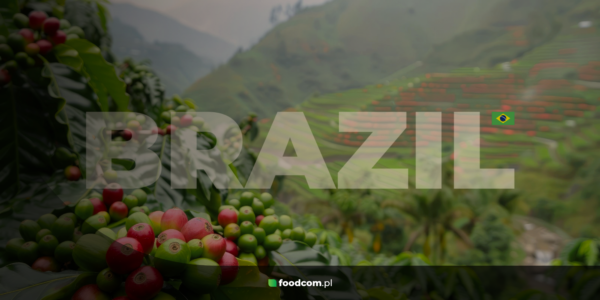
Brazil began the year with improved harvest prospects after several seasons marked by drought, high temperatures, and irregular rainfall. The U.S. Department of Agriculture (USDA) forecasts record coffee production in Brazil for the 2026/27 season, primarily due to the recovery of Arabica production.
Brazil’s significance as the world’s largest coffee producer extends far beyond the volume of its exports. Changes in weather or harvest forecasts can influence global prices even before the beans reach the market.
Colombia has experienced a more challenging period. Excessive rainfall and limited sunlight affected crop yields during the 2025/26 season, although the outlook for the next season suggests the possibility of improvement. Potential for production growth is also evident in Central America, particularly in Honduras.
In 2027, the production cycle of Brazilian crops and weather conditions will remain critical to the availability and prices of Arabica.
Africa
In 2026, Africa strengthened its position in the international coffee market thanks to increased production in several major exporting countries.
Ethiopia remained a significant supplier of Arabica, expanding its production capacity and improving cultivation methods. Uganda, in turn, increased its importance in the Robusta market. Both countries are expected to contribute to the growth of global production in the 2026/27 season.
Africa offers buyers the opportunity to expand their supplier base beyond traditional sources in Latin America and Asia. However, transportation infrastructure, processing capacity, and access to international markets remain challenges.
As global supply recovers, African producers may play an increasingly important role in international coffee trade, particularly among companies seeking alternative sources of raw materials.
Asia and the Pacific
Asia and the Pacific region played a significant role in improving global coffee availability in 2026, mainly due to increased Robusta production.
Vietnam remained the leading supplier in the region. High coffee prices in previous seasons encouraged growers to invest in fertilizers and other agricultural inputs, which improved yield forecasts. The USDA forecasts record Vietnamese coffee production for the 2026/27 season, which could further increase the availability of Robusta.
The situation in Indonesia was quite different. Heavy rainfall disrupted crop development in key producing regions, contributing to a downward revision of harvest forecasts.
It is also worth noting the growing domestic demand. Coffee consumption in Vietnam is steadily increasing, which means that some of the additional production may remain on the domestic market rather than being exported.
In 2027, Asian producers will continue to play an important role in shaping the availability of Robusta and purchasing conditions for the coffee industry.
Europe
In 2026, Europe remained one of the world’s largest coffee consumption markets. Despite high prices in previous years, demand remained at a significant level, securing the region an important place in global trade.
For European importers and roasters, improved production prospects meant new opportunities, although access to certain types and quality grades of coffee remained limited.
Regulatory requirements also became increasingly important. The EU Deforestation Regulation (EUDR) introduces traceability requirements for the origin of raw materials, including coffee. According to the schedule in effect as of November 2026, the regulations are set to apply to large and medium-sized entities starting December 30, 2026, and to eligible micro and small enterprises in June 2027.
For businesses covered by the regulation, this means additional obligations related to due diligence and verification of product origin. Rigorous documentation and supply chain transparency are therefore becoming increasingly important alongside price, quality, and on-time delivery.
North America
North America remained an important destination for coffee exports in 2026, and the United States continued to be one of the largest markets.
High prices put pressure on both businesses and consumers. According to the ICO, coffee consumption in the region fell during the 2025/26 season, indicating that demand was not unaffected by rising costs.
However, the USDA forecasts a recovery in demand during the 2026/27 season, with the United States expected to contribute to the growth in global consumption.
North American roasters remain particularly vulnerable to the situation with Arabica in Brazil. Changes in harvest forecasts and stock levels can affect purchase costs even as global supply improves.
Trends and forecasts for the coffee market in 2027
The global coffee market is entering 2027 with better production prospects and an opportunity to restore the balance between supply and demand. However, several key factors will determine whether this improvement translates into long-term stability.
Will global coffee production continue to grow?
According to USDA forecasts, global coffee production in the 2026/27 season could reach a record high of 189.7 million 60-kg bags. Brazil and Vietnam are expected to be the main drivers of this growth.
Higher production could help rebuild stocks after years of decline, increasing the availability of raw materials and the market’s resilience to unforeseen disruptions.
However, stocks are expected to remain below the long-term average. A single successful season may not be enough to fully offset the effects of previous shortages.
The key factor for the market in 2027 will be whether higher harvests translate into increased export availability and a sustainable recovery of global coffee stocks.
How might Arabica and Robusta prices develop?
If production increases as expected, coffee prices in 2027 may face additional downward pressure. However, the extent of this pressure will likely vary by variety.
Robusta may benefit from larger harvests in Vietnam and other exporting countries. The situation for Arabica is more complex. Promising production forecasts in Brazil are accompanied by relatively low certified stocks and uncertainty regarding future harvests.
For roasters and producers, this means that purchasing conditions may improve in some segments, while in others they will remain challenging. It will be important to monitor the situation in individual producing countries and the level of available stocks.
Greater price stability is possible, but the pace of market recovery remains uncertain.
How will European regulations affect the coffee trade?
The implementation of the EUDR will be one of the key topics for the European coffee market in 2027.
Companies subject to the regulation will have to meet relevant requirements regarding due diligence, product origin, and deforestation-free production. This may necessitate adjustments to supplier verification procedures and record-keeping practices.
The full impact of the new regulations on trade costs and the availability of raw materials is not yet known. However, suppliers with reliable documentation may be better prepared to meet the requirements of European buyers.
Could the weather disrupt market recovery?
Weather conditions remain one of the greatest sources of uncertainty in coffee production. Prolonged droughts, excessive rainfall, or extreme heat can affect coffee flowering, crop yields, and harvest forecasts.
In November 2026, the U.S. National Oceanic and Atmospheric Administration (NOAA) reported that the El Niño phenomenon was intensifying and that there was a high probability it would remain strong into early 2027.
Although El Niño may affect weather conditions in coffee-growing regions, its actual impact on future harvests is not yet known. There is no basis for assuming that the phenomenon will automatically lead to significant shortages of coffee or sharp price increases.
In the coming months, weather conditions in Brazil and Southeast Asia will be a key factor in assessing future production prospects.
The global coffee market – what’s next?
After several difficult seasons, 2026 marked a turning point in the global coffee market. Production increased, exports improved, and, after years of shortages, supply began to keep pace with demand once again.
The outlook for 2027 is more optimistic. Larger harvests in Brazil and Vietnam may support global supply, although the pace of market recovery remains uneven, particularly for Arabica and Robusta.


The most significant change in 2026 was a return to a global coffee supply surplus, but this does not mean that the market has overcome all its challenges. The availability of Robusta has improved significantly, while Arabica remains vulnerable to low inventory levels and the situation in Brazil. Forecasts of record production could put downward pressure on prices in 2027, though much depends on the actual size of the harvest. Further weather-related problems in one of the major producing countries could quickly change the situation, especially since global stocks are still recovering from years of shortages.

Global reports by Foodcom S.A.
What will the coming year bring for the coffee market? Discover the latest trends and factors that may shape the situation in 2027. Visit our blog, where we regularly publish up-to-date analyses of global markets. Stay informed with Foodcom S.A.