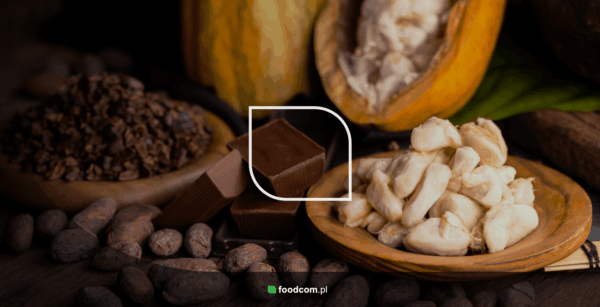

- Cocoa nibs are pieces of processed cocoa beans, which are then used to make, among other things, cocoa mass and chocolate.
- Chocolate nibs in the form of crushed cocoa beans or drops, pastilles, or chocolate buttons are used in confectionery, baking, the food service industry, and snack production.
- Natural cocoa nibs retain the valuable properties of cocoa in its unprocessed form. They can be used not only in the food industry, but also in the cosmetics industry and in the production of dietary supplements.
Chocolate drops and small cocoa nibs are gaining popularity in sectors where production efficiency, quick melting, and precise portioning are key. This format works well in large-scale production facilities as well as in the foodservice industry and artisanal confectionery. The product’s appearance is also significant – these small pieces can easily be used as an addition to cookies, desserts, ice cream, or candy bars.
How are cocoa nibs made?
Cocoa nibs are pieces of cocoa beans after they have been roasted, dried, and shelled. It is from these cocoa fragments that cocoa mass is made, and from that – chocolate. Cocoa nibs are therefore an intermediate product in the chocolate-making process. With verified bean origins and proper contamination control in the cocoa beans, nibs can also be used directly in various culinary applications.
The term “chocolate nibs” is often used to describe ready-made chocolate in small forms, such as drops, pastilles, or buttons. These are small, round pieces of chocolate available in various flavors and intended for wide use in the food industry and professional kitchens.

Natural cocoa nibs or convenient chocolate drops?
Although cocoa nibs are not the same as ready-made chocolate pieces, they also play an important role in the food industry. These pieces of beans can be used, for example, in smoothies, cakes, cookies, shakes, or yogurt. Their advantage is their intense cocoa flavor and crunchiness, but without the typical sweetness characteristic of ready-made chocolate. They are also extremely rich in nutrients – antioxidants, magnesium, iron, and other minerals, as well as fiber.
Chocolate nibs, on the other hand, are better when you need a ready-to-use ingredient for baking, glazes, and decorations. Chocolate also contains milk, sugar, flavorings, and preservatives, which are not found in natural cocoa nibs. Instead, it has a sweet, milky flavor and a smooth texture.
Why are chocolate drops so popular?
The biggest advantage of chocolate drops is their functionality. This form of chocolate not only serves as an aesthetic decoration but also makes it easier to melt, mix, and dispense the melted ingredient. This makes it ideal for producing glazes, fillings, pralines, and decorations.
An additional advantage is the wide variety of flavors. Chocolate chips can be milk, dark, or white, making it easier for manufacturers to match the raw material to the recipe and the desired flavor profile. In practice, this format is valued wherever there is a need to combine consistent flavor, convenient storage, and quick use on the production line.
Uses of cocoa nibs
Cocoa or chocolate nibs are primarily used in the food service industry and food manufacturing, imparting a chocolate flavor and valuable nutritional benefits to dishes and products. They can be found, for example, as:
- an addition to desserts, muesli, yogurt, or smoothies;
- a topping for cookies, muffins, or ice cream;
- an ingredient in granola and energy bars;
- a base for making glazes, pralines, or chocolate drinks;
- an ingredient in savory dishes (e.g., sauces, dressings, or meat marinades).
Cocoa nibs are also used in the cosmetics industry, particularly in face and body care products. The antioxidants and minerals found in cocoa nourish the skin, support its regeneration and hydration, and help fight free radicals.

Where to buy chocolate nibs and what to look for?
In the B2B segment, where bulk purchases are key, one of the trusted suppliers of chocolate nibs is Foodcom S.A. The company caters to food manufacturers and companies in the foodservice sector, where not only price and verified origin of the raw material are important, but also supply continuity and the ability to tailor the type of ingredient to specific needs.
When deciding to purchase chocolate nibs, it is worth keeping an eye on the chocolate market. Cocoa supply and prices fluctuate constantly, depending on factors such as weather or trade regulations governing this raw material. Purchases of cocoa and chocolate products are therefore closely tied to market conditions today.
In summary, cocoa and chocolate nibs are a convenient ingredient for confectionery, baking, and the food service industry. These ingredients offer an easy way to enhance a product – both in nutritional value and flavor. Cocoa nibs are pieces of fermented cocoa beans used to make chocolate, while cocoa drops are a more processed form that facilitates melting, dosing, and decorating, while also ensuring process consistency and simplifying the selection of the right flavor. On the Foodcom website, you’ll find all the necessary information regarding the various variants of this product.