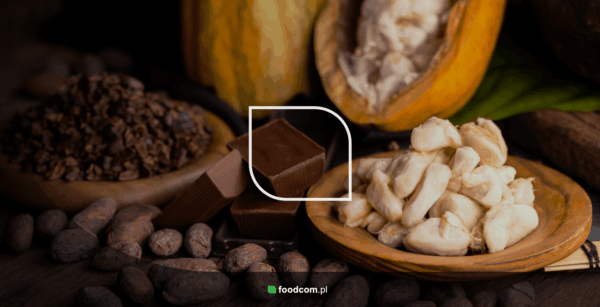
- Record-high cocoa prices and unstable supplies are driving increased interest in alternatives.
- Carob is a natural, caffeine-free substitute that aligns with the “clean label” trend.
- This raw material offers greater price stability and resilience to climate change.
- It is increasingly being incorporated into a wide range of products—from snacks to beverages and ice cream.
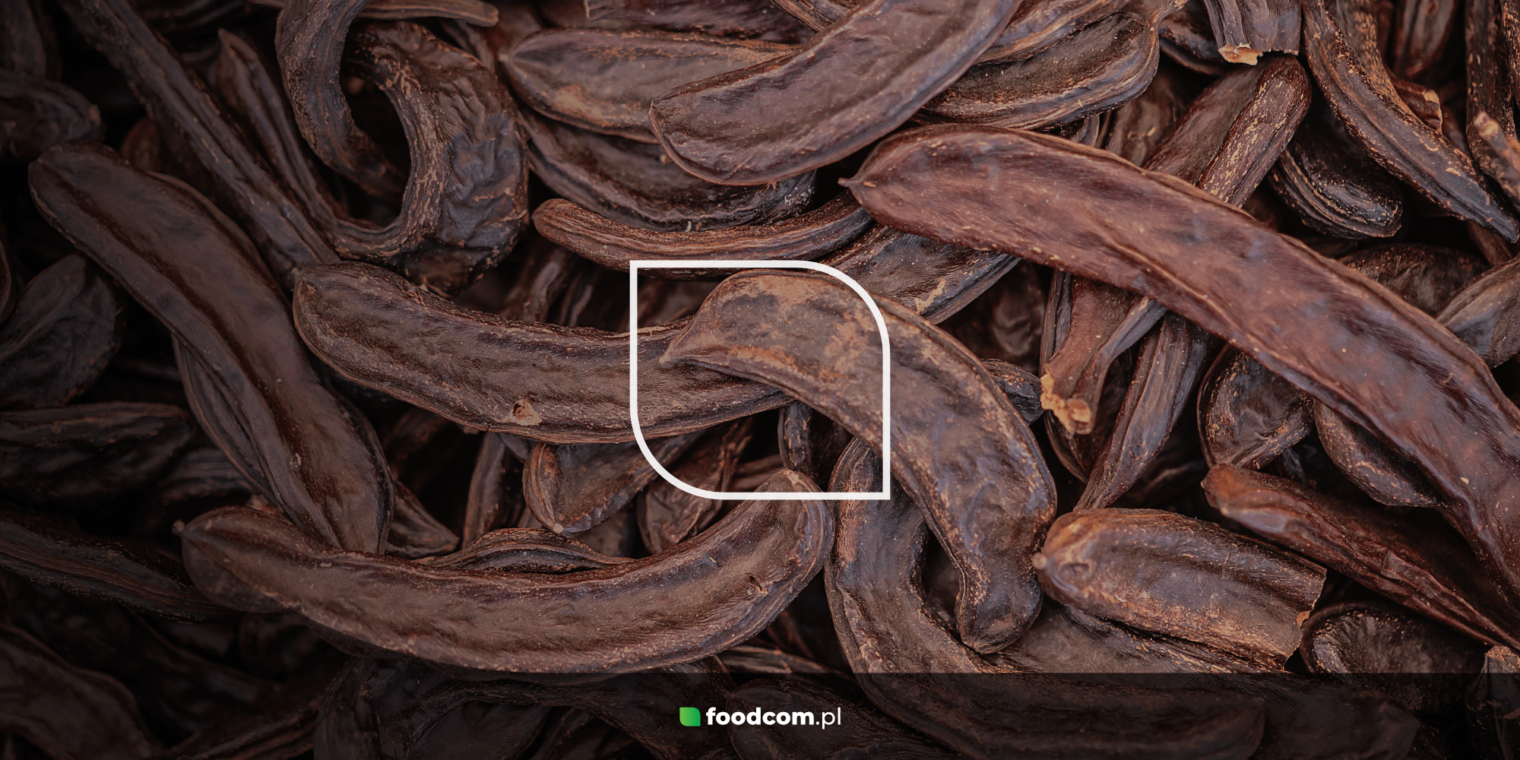
Faced with historic increases in cocoa prices and supply instability, more and more producers and consumers are turning to alternatives. One such alternative iscarob, or carob flour—a natural, slightly sweet plant-based powder that is gaining popularity as a substitute for cocoa in snacks, beverages, and baked goods.
Carob, also known as the St. John’s bread tree, originates from the Mediterranean region. It is distinguished not only by its mild, slightly caramel-like flavor but also by a range of health-promoting properties. Importantly,it contains neither caffeine nor theobromine, making it safe for children, people with high blood pressure, and those who are sensitive to stimulants.
“The current situation on the cocoa market, with prices exceeding $10,000 per metric ton, is prompting producers to seek stable and accessible alternatives. Carob is one of the most promising solutions to these needs,” says Marcin Stradowski, Commercial Director and Partner at Foodcom S.A.
Unlike cocoa, whose prices are heavily dependent on weather conditions in West Africa, carob crops are more resilient to climate change. As a result, this raw material offers greater price predictability and stability, which is crucial for production planning and margin management in the FMCG industry.
Clean label, less fat, and no caffeine—arguments that convince manufacturers
From a nutritional standpoint, it also has a lot to offer: lower fat content, more natural sugars, and high levels of fiber, calcium, and antioxidants. What’s more—it requires no alkalization or added sweeteners, which results in a cleaner ingredient profile for the finished product and better alignment with the “clean label” trend.
Carob flour is used in a wide range of products—from energy bars and plant-based beverages to ice cream, baked goods, and spreads. It is increasingly being adopted not only by manufacturers in the organic and eco segments but also by major brands seeking innovation and solutions to cost pressures.
“Beyond its role as a cocoa substitute, we see carob as a raw material that genuinely addresses market challenges and evolving consumer expectations. Given rising cocoa costs and growing nutritional awareness, its importance will only continue to grow,” — adds Marcin Stradowski of Foodcom S.A..
All signs point to carob becoming one of the leading ingredients in modern product portfolios in the coming years—combining taste, functionality, and economic advantages.