Titanium(IV) oxide—what is it?
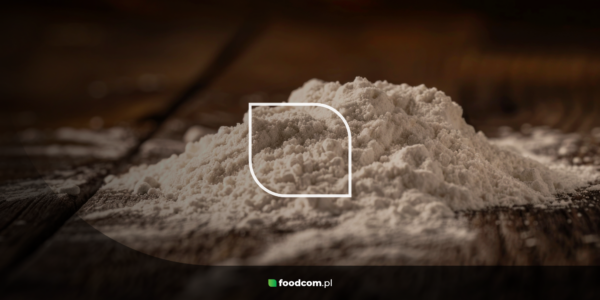
Titanium(IV) oxide, also known as titanium dioxide or TiO2, is a naturally occurring mineral that has been widely used in various industrial sectors due to its unique properties. It is a white, water-insoluble powder whose main characteristics are its high light-scattering ability and remarkable resistance to external factors.
Its safety as a food additive has been evaluated and approved by various regulatory agencies around the world, although recent discussions regarding its impact on human health have prompted further research and a possible reevaluation of its status.
Properties of Titanium(IV) Oxide
Titanium(IV) oxide is distinguished by its exceptional whiteness and ability to scatter light, making it an excellent white pigment. It is also highly resistant to light and chemicals, ensuring that its color and properties remain stable over a long period of time. Additionally, TiO2 is known for its antibacterial and self-cleaning properties, which are utilized in certain applications.
Applications of Titanium(IV) Oxide (IV)
Titanium(IV) oxide is used in many industries, including the food, cosmetics, and pharmaceutical industries, as well as in the production of paints and plastics. In food, it is added primarily as a white pigment (E171) to improve the appearance of products by giving them a white color or increasing their gloss.
Where to Buy Titanium(IV) Oxide?
Titanium(IV) oxide is available from chemical raw material suppliers and through specialty online stores offering products for the food and cosmetics industries. However, before purchasing, it is essential to carefully review the product specifications to ensure it complies with the required standards and is suitable for its intended use.
Titanium(IV) Oxide and Its Functions in Food
In food, titanium(IV) oxide is primarily used as a white pigment (E171), adding whiteness and brightness to products such as candies, tablet coatings, baked goods, as well as certain dairy products and meat products. Its use is intended not only to improve aesthetics but also to ensure the uniformity and visual stability of food products. Regardless of ongoing debates regarding its safety, TiO2 remains an important ingredient in the food industry, although the trend toward seeking natural and safer alternatives is gaining momentum.