- In 2025, Brazil supplied approximately 50% of the soybean meal imported by the European Union.
- New regulations could affect exports of up to 4 million tonnes of Brazilian soybean meal.
- Argentina is the world’s largest soybean meal exporter, having shipped around 27 million tonnes in 2025.
- These changes could encourage European feed producers to increase their purchases from Argentina.
New Regulations May Affect Soybean Imports from Brazil
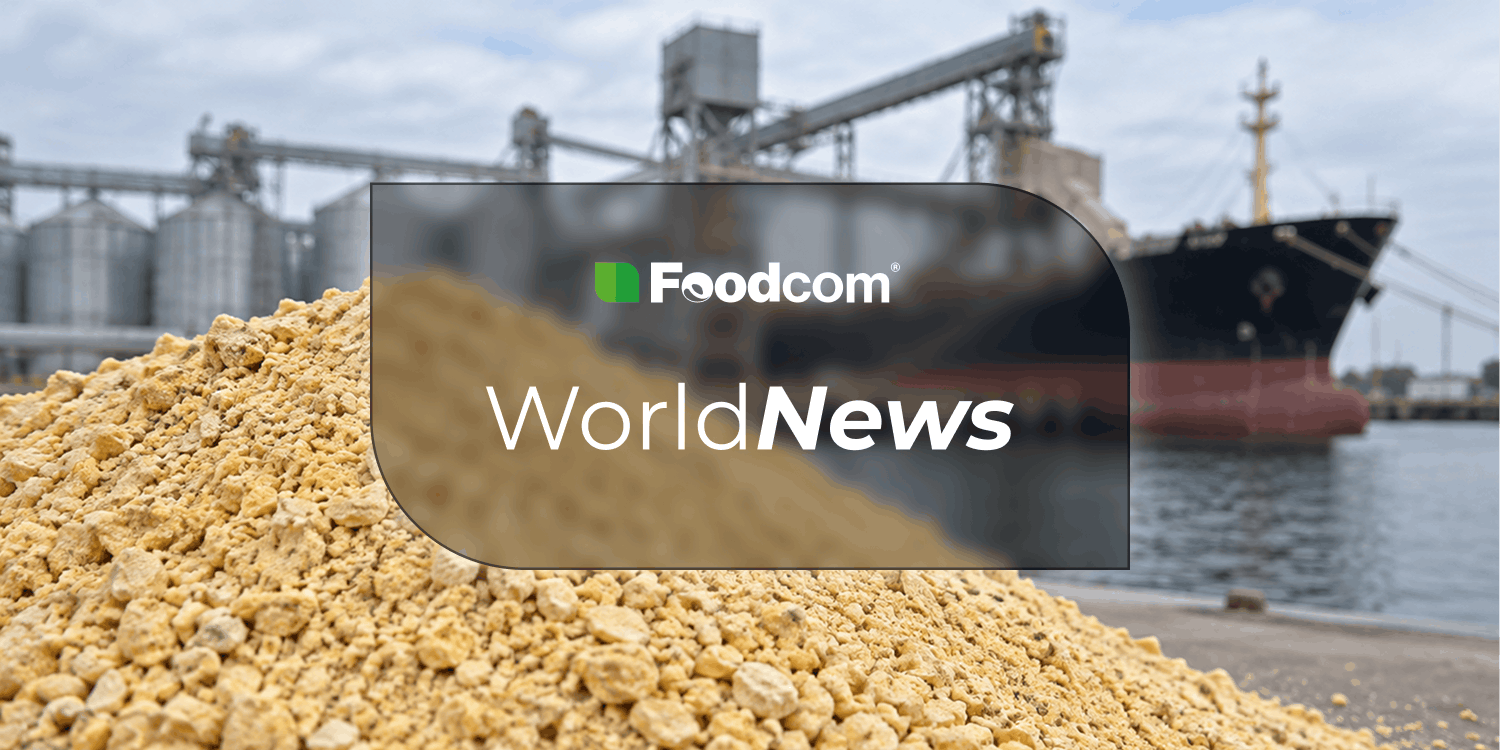
Starting December 30, 2026, new requirements regarding the origin of agricultural products are set to take effect in the European Union. Under the EUDR regulations, importers will have to demonstrate that the goods they import are not linked to deforestation. The change applies, among other things, to soybean meal, a raw material used in the production of animal feed. In 2025, Brazil accounted for about half of the EU’s imports of this product, so the new rules could significantly impact trade between the two markets.
The biggest challenge for Brazilian exporters is the ability to accurately document the origin of soybeans. In some regions of the country, crops are located more than 2,000 kilometers from ports, and transportation involves several different modes of transport. Such complex logistics make it difficult to track the raw material through the various stages of the supply chain. The new requirements could hinder the export of up to 4 million metric tons of Brazilian soybean meal—representing about 17% of total foreign sales of this product. If some shipments fail to meet EU requirements, European buyers may increase their purchases from other producers.
Argentina May Increase Sales to Europe
One of the main candidates to take over some of these orders is Argentina. The country remains the world’s largest exporter of soybean meal, having sold approximately 27 million metric tons of this raw material abroad in 2025. A key advantage is the location of the main soybean-growing regions, which are no more than 350 kilometers from the ports in the Rosario area. Shorter transport routes make it easier to verify product origin and reduce the complexity of the supply chain. Argentina also benefits from the existing VISEC system, which enables the tracking of soybean origin from production through to export.
Increased sales to Europe could partially replace shipments from Brazil, although the scale of such a shift will depend on individual exporters’ ability to meet the new requirements. At the same time, Brazilian producers may redirect more raw materials to other markets, while Argentina could increase its share of shipments to the EU. For European feed producers, this means the opportunity to adjust their existing sourcing strategies. When selecting suppliers, both the availability of sufficient quantities of raw materials and the ability to verify their origin will be important factors.