- Food inflation in India could reach around 10% in the fourth quarter of 2026.
- Weak monsoon rains threaten wheat and rice harvests, raising concerns about future supplies.
- High feed costs could push poultry prices higher from January 2027.
- Sugar prices have risen nearly 30% over the past year, while costly imports limit price relief.
A poor monsoon threatens harvests and drives up grain prices
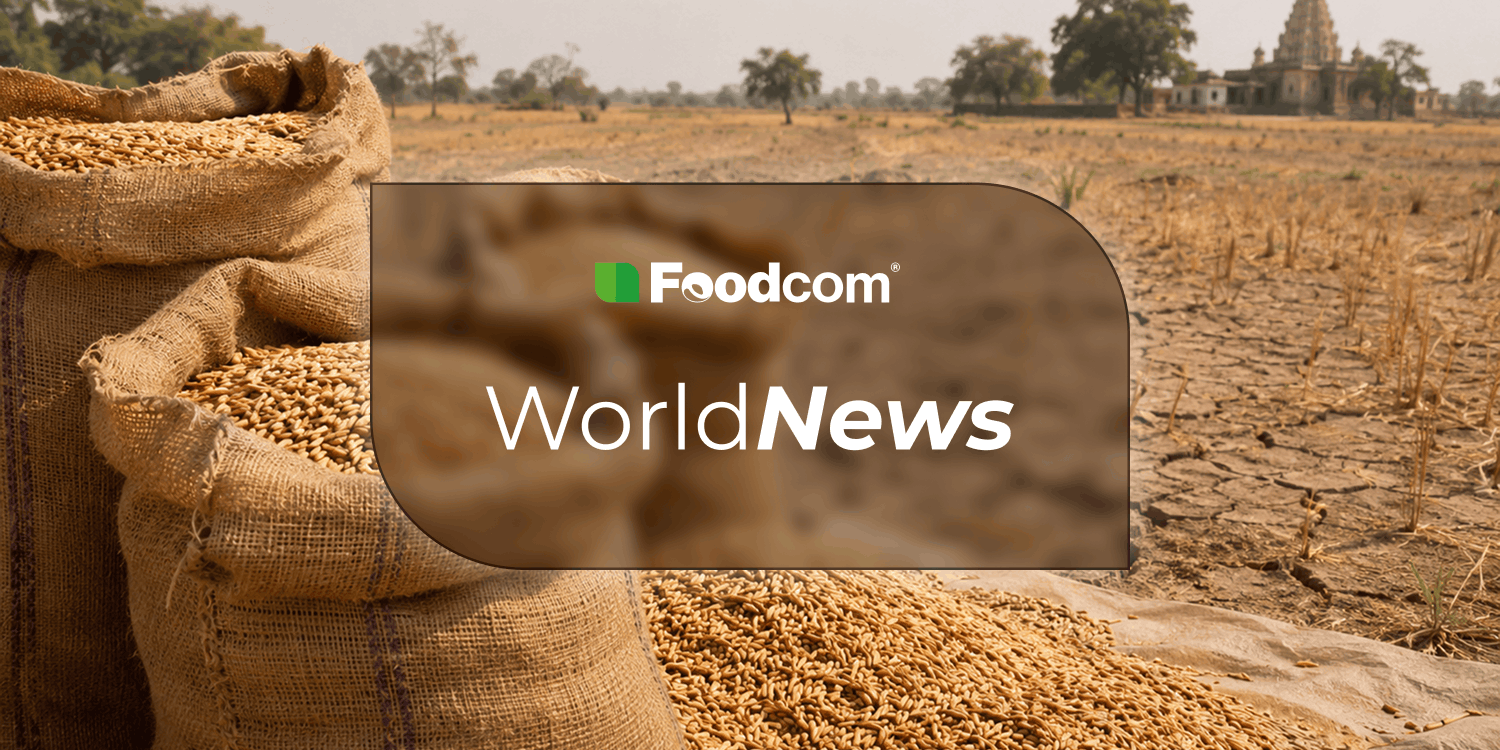
Food prices in India continue to rise, and a weak monsoon is making it difficult for farmers to prepare for winter planting. In Jalna district, rainfall was 48% below average, leaving the soil lacking the moisture needed for crops. Wheat prices have reached their highest level in nearly two years, and consumers are also paying more for rice, onions, and legumes.
Food inflation could reach about 10% in the fourth quarter of 2026, up from 7.74% in September. Water shortages and potentially higher winter temperatures threaten to result in poorer harvests. Although India has large stocks of rice and wheat, the supply of certain varieties sought after by consumers remains limited, which is fueling further price increases.
Protein-rich foods and sugar are becoming more expensive
The price increases also extend to animal-based products. In September, the annual inflation rate for meat stood at 8.7%, down from 12% in August, while for milk, dairy products, and eggs, it rose to 5.1%. Feed accounts for 60–70% of poultry production costs. High feed prices and limited supply could lead to further increases in chicken prices starting in January 2027.
Sugar prices have risen by nearly 30% over the past year, and domestic production is insufficient to meet demand. India has authorized the duty-free import of one million metric tons of sugar; however, high global prices, a weaker rupee, and more expensive transportation are limiting the benefits of foreign supplies. Much now depends on the winter harvest. If weather conditions do not improve, prices for basic commodities may remain high.